News


Can using a menstrual cup help with menstrual cramps?
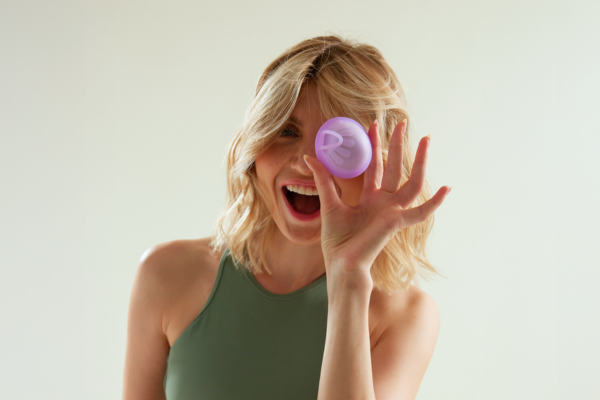
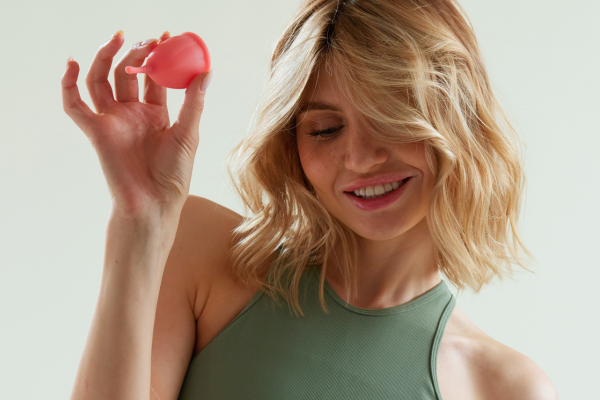
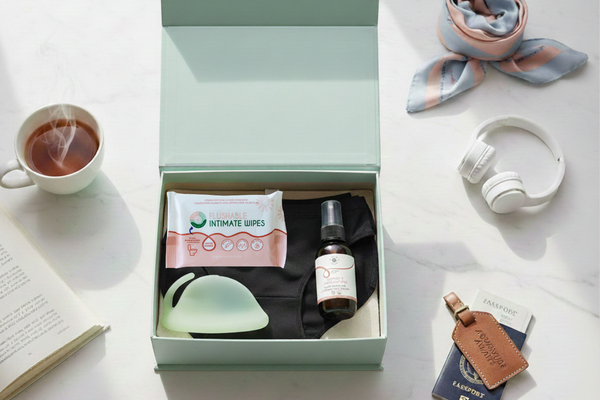
Menstrual cups have become increasingly popular due to their unique benefits and practical use for women. Made from soft medical-grade silicone, the cup conforms to every woman’s anatomy and provides a comfortable, safe and effective solution for menstrual care. Many women find them more comfortable than traditional products, with minimal risk of leaks – even during physical activity. With a menstrual cup, you get up to 12 hours of freedom, and because they can be reused for 2-5 years, they are both an economical and environmentally friendly choice for modern women. Read on to learn more about the benefits of using a menstrual cup, tips for first-time use, and find out if menstrual cups can relieve menstrual cramps. Benefits of using a menstrual cup Menstruation can be stressful, and because it’s a monthly event, the stress can feel endless. When menstruation coincides with important events, this stress is often exacerbated. Even professional athletes, like 19-year-old Zheng Qinwen, have cited menstrual cramps as a major obstacle during competitions, leading to poor performance (source here). Period pain can be debilitating, and while painkillers work for some women, others have found that using a menstrual cup reduces cramps. The pressure the cup puts on the uterine muscles that cause cramps can prevent them from contracting as much, thereby reducing the pain. In addition, menstrual cups offer many other benefits, including: Up to 6-12 hours of continuous use (depending on your flow) Made from 100% biocompatible medical grade silicone that does not promote bacterial growth Designed with adjustable stem for perfect fit to your anatomy Does not cause vaginal dryness Economical – no monthly expenses Environmentally friendly – reduces waste every month Can be used for swimming, bathing and physical activity Long shelf life – up to 5 years Available in several sizes, including TEEN size for young girls Offers complete intimate care sets with cup, panties and reusable pads First-time menstrual cup use: Tips and recommendations If you are considering trying a menstrual cup, it is important to choose the right size. There are three sizes: one for teenagers or virgins, one for women who have given birth vaginally, and one for women who have not given birth. Read more about which size is right for you: menstrual cup size A and size B. Femi.Eko® cups also fit different uterine heights (low, medium, high), and the stem can be cut to fit your body perfectly. Using a menstrual cup is simple, but requires some guidelines for proper use, safety, and maximum effectiveness. Before using the cup for the first time, sterilize it by boiling it in water for 10 minutes. Then follow these steps each time you use the cup: Fold the cup: Fold it into a “C” or other recommended shape (check out our TikTok channel for demos!). The soft silicone makes it easy to fold and insert. Find a comfortable position: Choose a position where you can easily open your vulva and vagina. Insert and create vacuum: Insert the cup into the vagina and twist it slightly to create a vacuum. This will keep it in place and prevent leaks. Empty as needed: Empty the cup every 4-12 hours depending on your flow. For first use – check your flow and empty after 4 hours. With experience, you will find the optimal interval for each day of your cycle. Safely remove: To remove the cup, run a finger up the side of the cup to let air in and break the vacuum. Then remove the cup, empty it, and rinse with water. When the cup is not in use, it should be stored dry and clean in the provided bag. Using a menstrual cup is quick and easy, and the vacuum ensures minimal risk of leaks. Practice makes perfect – it may take a few tries to learn how to insert and remove it correctly. Try it out at home for the first time, wear it for a few hours, and once you feel comfortable, you can use it for all activities. Freedom and comfort with menstrual cups Using a menstrual cup offers freedom of movement and a new standard of menstrual care: safer, cheaper and more environmentally friendly. Millions of women are already using this modern solution. Explore Femi.Eko® menstrual cups and other innovative products developed for modern women.
Learn more
Top 15 reasons why you should own menstrual panties
Menstrual panties are the modern alternative for intimate care during menstruation. Made from absorbent, gentle textiles, they provide eco-friendly, affordable, and comfortable protection that women worldwide are embracing. Before buying a pair, you should understand why this new solution has become the preferred choice for many women. Below, we’ll introduce the benefits and reasons why you might fall in love with menstrual panties. The world is changing, and new solutions are emerging to make life easier for women. Read on to learn more about menstrual underwear and how you can better care for yourself during "that" time of the month. What Are Menstrual Panties? Menstrual panties are, as the name suggests, special underwear designed to absorb fluids during menstruation, offering comfort and protection against leaks. These panties are made of natural materials and OEKO-TEX certified, ensuring a layer of highly absorbent fibers that are safe for your skin. Due to their protective features, they can also be worn for discharge, urinary incontinence, or postpartum care. They're versatile. Though primarily made to support your menstrual needs, they're reliable whenever you need extra protection. Some women even choose to wear them daily, and with Femi.Eko® Combo Packs, you’ll always have the support you need on hand. Femi.Eko® menstrual panties are both skin-friendly and comfortable, designed for various menstrual flows – from heavy to light. When you choose Femi.Eko®, you're opting for lasting protection. Here are 15 reasons why you should try at least one pair of menstrual panties: 15 Reasons to Try Menstrual Underwear: 100% absorbent Specially designed for menstruation but can be worn anytime Protects against menstruation, incontinence, discharge, and sweating Made from medically certified materials Comfortable for even the most sensitive skin Made from natural, eco-friendly materials Easy to clean Leak-proof for all levels of menstrual flow A smart, economical choice Available in different sizes and designs Can be worn for up to 10 hours – replaces up to 5 regular pads Reusable for up to 2 years Odor-free No wet feeling No PFA or other chemicals Femi.Eko® | Period underwear Why Use Menstrual Underwear? A woman spends about 10 years of her life menstruating, which can lead to high costs over time. With menstrual panties, you significantly reduce those expenses because they are reusable and easy to clean. By following the care instructions, you can enjoy the benefits of this unique underwear for months, with an average lifespan of about two years. One size doesn't fit all when it comes to menstrual underwear. Each pair is designed with performance in mind, offering specific sizes and levels of absorbency for different needs. With the right fit, you'll discover optimal protection and comfort. The Femi.Eko® collection of menstrual panties is continuously evolving, integrating the needs and feedback of women who use them. This is why new designs are frequently added. Follow our launches to discover the latest innovations for smarter, more affordable period care. Two new collections will be released soon: TEEN and SWIM. These new options will allow you to enjoy protection during all activities, including pool time. Keep an eye on our website to stay updated on launches that can simplify your life. Remember, being on your period doesn’t mean putting life on hold! Levels of Protection for Menstrual Underwear Depending on your flow, you can choose different styles of menstrual panties, each offering unique levels of absorbency: Super-heavy: For heavy flow Moderate: For medium flow Light: For lighter flow With the right level of protection, you can stay leak-free and stain-free throughout your period. What Are Femi.Eko® Menstrual Panties Made Of? Femi.Eko® menstrual panties are made from PFA-free materials with natural fibers. All fabrics are OEKO-TEX certified, ensuring they are medically safe and healthy for you. With menstrual panties, you can rethink how you view your period. Discover which style suits you best by using our filter options for easy selection. Plus, you don’t have to compromise on style for safety! Femi.Eko® offers Brazilian, G-string, or high-waisted styles so you can stay fashionable and protected.
Learn more
How to wash a pair of menstrual panties. See the recommendations of Femi.Eko® specialists.
How to keep your menstrual panties clean and last longer Did you know that cold water is best for removing blood stains from all fabrics? If you want to keep your menstrual panties stain-free for a long time, read our recommendations and helpful tips below. Menstrual panties : Cleaning with cold or lukewarm water? You may remember your grandmother always saying that cold water is best for blood stains – and she was right! Although it may seem counterintuitive, cold water is actually most effective against blood stains. Why? Blood contains proteins that, when in contact with hot water, bind to the fabric, making the stains almost impossible to remove. Cold water, on the other hand, prevents the proteins from binding, making the blood easier to wash out. If you're not familiar with menstrual panties, they're part of the latest trend in women's intimate care. And don't worry - they're easy to clean. Cold water is recommended for effective cleaning of menstrual panties. Quickly rinse the panties under cold water to remove residue and protect the fabric in the long term. Menstrual panties: Protective layer Although they feel soft against your skin, menstrual panties are made up of several protective layers that keep you safe during your period. You can't see these layers, but they are essential for absorbency and comfort. How long your menstrual panties last depends on how you care for them. The better you take care of the different layers of your menstrual panties, the longer you will enjoy their invisible but effective technology. They look and feel like regular panties, but they require special care to maintain function and comfort. Cleaning menstrual panties with cold water and soap After rinsing the panties in cold water, you can continue cleaning either by hand washing or in the washing machine. The material is strong enough for both, but make sure the temperature does not exceed 40°C. Use unscented detergent, regular laundry detergent or soap, but keep an eye on the temperature. Handwashing recommendations If you choose to hand wash your panties after rinsing them in cold water, apply soap or your preferred detergent and gently massage the fabric until all the blood is gone. Rinse thoroughly to remove all soap – rinse 2-3 times if necessary. You can tell that the panties are completely clean when they look like new. The materials in menstrual panties stay looking good with proper cleaning, and regular use leaves no visible traces. Note: Menstrual panties do not need to be disinfected if washed correctly. Do not boil them and do not use chlorine or bleach as this will damage the fabric, the waterproof membrane and may leave chemicals in the intimate area. Watch our care video Washing machine & drying Before you put your menstrual panties in the washing machine, make sure the temperature does not exceed 40°C. High temperatures can destroy the waterproof layer and weaken the durability of the fabric. After each use, the panties should be washed thoroughly and air-dried at room temperature. Avoid using a dryer or radiator as this can damage the inner layers and increase the risk of vaginal infections. Other tips & tricks Do not iron or use a radiator to dry as this will damage the waterproof layer. You can occasionally wash them in a vinegar bath, but rinse thoroughly afterwards. Avoid fabric softener or bleach – it destroys the fabric and the waterproof membrane, making the panties no longer suitable for intimate use. Buy multiple pairs for longer use If you've discovered the comfort and protection of menstrual panties, consider getting more pairs. Most women choose 3-5 pairs to be covered throughout their period. With more pairs, one pair lasts longer – the average lifespan is about 2 years. Check out our Combo Packs for great deals. Cleaning tips to remember Washing menstrual panties is quick and easy – whether you wash by hand or machine. Just use cold water and keep the temperature below 40°C, and your panties will stay fresh and effective for a long time.
Learn more
What are reusable pads? Here are the advantages of using reusable pads
Have you heard of reusable pads but aren’t quite sure what they are or how they work? This article will introduce you to these new intimate care products for women and explain the benefits of using them. As more women explore new solutions for managing menstruation, reusable pads have become a popular choice. Here, you'll learn what they are, how to use them, the benefits they offer, and details about protection levels. Read on to find out why so many women prefer reusable pads — and why they might become your favorite period care product too. Reusable Pads: What Are They? Reusable pads are feminine hygiene products designed to retain menstrual blood during your period, but unlike disposable pads, they can be washed and reused multiple times. Often made from natural materials like cotton or bamboo fabric, reusable pads feature several layers of fabric for enhanced protection. Because they can be washed and reused, they’re a more environmentally friendly choice compared to disposable pads that are thrown away after use. Many women also find them more comfortable and convenient. How Do I Use a Reusable Menstrual Pad? Reusable Pads: Sizes and Designs Reusable pads come in different sizes and styles to meet varying menstrual needs. For example, the Femi.Eko® range includes two sizes, S and M. Depending on your flow, you can select the appropriate size for lighter or heavier days. Size M pads are perfect for heavy flows, including postpartum use. Size S pads are ideal for lighter menstrual days, daily discharge, or even mild incontinence. You can also mix and match reusable pads with other products like menstrual cups to find what works best for you on any given day of your cycle. Once you’ve chosen the right reusable pad, it’s important to know how to use it properly. Femi.Eko® reusable pads come with wings that clip around the sides of your underwear to ensure a secure fit. How to Use Reusable Pads Before using your reusable pad for the first time, wash it to activate the absorption of the materials. To apply the pad: Wash your hands thoroughly. Place the pad in the panty area and secure the wings around your underwear using the snaps. Once it's in place, go about your day confidently, without worrying about leaks. To prevent bacterial growth, avoid touching the absorbent material with your hands during use. When it’s time to change your pad, follow these steps: Wash your hands again and undo the snaps. Remove the pad and rinse it with cold water until the menstrual fluid is washed out. Wash the pad in warm or cold water by hand or machine — but keep the temperature below 40°C to avoid damaging the waterproof layer. Let the pad air dry before its next use. Avoid using disinfectant detergents, conditioners, bleach, or ironing the pad. Check out this video for a visual guide: Advantages of Reusable cloth Pads Choosing reusable pads comes with numerous benefits: Comfortable fit Reusable up to 600 times Made of high-quality materials like 100% bamboo fabric Breathable, no moisture buildup No unpleasant odors or plastic sounds Designed for maximum protection Easy to use and wash Eco-friendly Cost-effective Chemical-free By switching to reusable pads, you’re not only taking care of your intimate health and hygiene but also opting for a product made from natural materials with no chemical or toxic compounds. These pads provide complete protection without unpleasant smells and are the optimal solution for the environment. Reusable Pads: A Personal Contribution to the Planet Choosing reusable pads allows you to make a significant contribution to the environment. From the onset of menstruation to menopause, the average woman will experience around 450 periods (source: helpingwomenperiod.org). That equates to 10 years of a woman's life where she’ll need to rely on period products like pads or tampons. By choosing reusable pads, you’re taking a step toward reducing waste and embracing an environmentally friendly, affordable alternative. Protection Levels of Reusable Pads If you’re looking for a comfortable and eco-friendly period solution, consider reusable pads from the Femi.Eko® range. These pads are constructed with 4 layers of 100% bamboo fiber fabric, 2 super absorbent microfibre layers, and an extra outer waterproof layer designed to withstand repeat use. Depending on your flow, Femi.Eko® pads can provide up to 10 hours of protection, ensuring comfort without the sensation of sticky adhesive or the noise of rustling plastic. With their discreet and effective design, these pads leave no strange odors or sounds. When you invest in a reusable pad pack, you save yourself from the stress of constantly buying period products. You can choose from a variety of packs, ensuring the right fit and flow for every woman. Ready to Try Reusable Pads? If you're considering making the switch to reusable pads, take the time to find the right size and experience this innovative menstrual solution with confidence. You’ll benefit from an eco-friendly, cost-effective pad developed with your body's natural needs in mind. Enjoy safety, freedom of movement, discretion, and comfort during your period — all while knowing you're making a positive impact on the planet. Switch to reusable pads and experience a healthier, more comfortable, and sustainable period. You'll wonder why you didn't try them sooner!
Learn more
New to the menstrual cup? Don't panic, read this instead (you'll thank us later)
For some, the menstrual cup is already part of their monthly care routine. Others have heard of it but never tried it, while some are just discovering this period game-changer and want to give it a go. We’re here to bring you the information you need to make the best choice for your body and care needs. This blog post will share a real experience from a real woman: Ana, a 36-year-old mother of one. She recently tried a menstrual cup for the first time, and we’re sharing her honest journey with all those new to menstrual cups. But before diving into Ana’s story, let’s give a bit of context about menstrual cups. The History and Awareness of Menstrual Cups Menstrual cups were first invented back in 1867 (yes, they’ve been around far longer than most of us realize!). However, they didn’t gain much popularity then due to limited options for sterilization, cultural fears, and beliefs surrounding menstrual care. Even today, menstrual cups are more mainstream than widespread. According to Popular Science, only between 11 and 33 percent of women surveyed are aware of menstrual cups. It's time to change that, but we need real-life stories to showcase their benefits. This is where Ana’s experience comes in. We asked her to share her first time using the cup, and we’re keeping her story raw and unedited to help you make an informed choice based on unfiltered information. Ana's Story: The First-Time Menstrual Cup User “I’ve heard about menstrual cups for a while,” Ana begins. “But every time I saw an ad or post about them on Instagram, I always thought: ‘Oh, wow… interesting for someone else, but not for me.’” Ana didn’t exactly love using pads or bleached tampons, but she felt like menstrual cups seemed invasive. The thought of sacrificing her comfort during her period was not appealing, especially when dealing with cramps and the usual monthly discomfort. But then, she learned that a colleague of hers had been using menstrual cups for two years. “My interest was piqued! I bombarded her with questions – about safety, hygiene, and especially about insertion, which seemed like a hardcore task in my mind (spoiler alert: it’s not!).” After being reassured by her colleague that periods had become a breeze since switching to the cup (she even claimed her cramps were less intense), Ana decided to give it a try with the Femi.Eko® cup. “I was ready to go for it! If she could do it, why couldn’t I? My colleague did mention a learning curve and told me not to get discouraged if I didn’t get it right on the first try.” Picking the Right Cup: Ana's Mistake Typically, everyone recommends doing some research to decide which type of cup is right for you. Femi.Eko® cups come in two sizes (A and B), and there’s even a quiz on their site to help you choose. Ana, however, didn’t take the quiz and ended up using one without checking which size she had. “In hindsight, I should have paid attention to the size.” Insertion: First Try, Success! Ana watched some YouTube tutorials on how to insert, sterilize, and remove the cup. When Aunt Flo arrived, she boiled the cup for 10 minutes to sterilize it (closely watching the pot) and prepared for the moment she was most worried about: insertion. “I washed my hands (I did this about five times), folded the cup in a ‘C’ shape as the videos showed, and was pleased to find the Femi.Eko® cup soft and pliable.” The moment of truth arrived, and to Ana’s surprise, the cup went in smoothly – even easier than a tampon. Some women recommend using a little water-based lubricant, but Ana didn’t need it. “Once in, I was conscious of its presence but not uncomfortable. I went to bed a bit paranoid, worrying I’d wake up to a mess.” The Morning After: No Bloodbath “Morning came... and what a glorious day it was! No leaks, no stains, not even on my heaviest day.” Ana was curious to see how much blood was collected, so she went to the bathroom to remove the cup. However, she encountered a small challenge. “I couldn’t find the rim of the cup! It was just the tail, and I panicked for a moment. But then I remembered: the cup has nowhere to go, so I took a deep breath and calmed down.” She realized she had a high cervix, and breaking the vacuum seal to remove the cup required more effort. A quick refresher from a YouTube video reassured her, and she squatted a bit while sitting on the toilet. “The key was not to pull on the tail like a tampon but to push down as if going to the bathroom. Once I found the rim, I broke the seal and pulled the cup out safely.” A Life-Changing Experience Since that first experience, Ana has been using the Femi.Eko® cup in size B and finds it to be a lifesaver. “I’ve swum at the pool, gone about my daily activities, and passed my heaviest days without a single stain! I am so grateful someone invented this for women!” Ready to Learn More? If Ana’s experience has you curious, you can find out more about Femi.Eko® cups here. And if you’d like to take the quiz to find out which product is right for you, click here.
Learn more
Hemp and Organic Cotton: Better Materials for Menstrual Products
Hemp and organic cotton are key materials in Femi.Eko®'s menstrual products, combining comfort, health, and sustainability. These natural fibers offer not only superior comfort but also essential health benefits that set them apart from traditional synthetic alternatives. Let’s dive into the science behind these unique materials and explore why they make a big difference in your intimate care routine. Why Hemp and Organic Cotton? Hemp and organic cotton are nature’s powerhouse fibers. They are breathable, highly absorbent, and hypoallergenic, making them perfect for sensitive skin and intimate areas. But what really sets them apart is their antimicrobial properties, which make them a great choice for menstrual products like panties, reusable pads, and other intimate care items. When combined, these materials work to protect your body while also protecting the environment. The Health Benefits of Hemp Hemp is not just a sustainable crop; it’s an incredibly versatile material with benefits that directly impact your health. Here’s why we use hemp in Femi.Eko® menstrual products: Antimicrobial: Hemp naturally resists the growth of harmful bacteria, such as E. coli and staph, reducing the risk of infections during your period. Highly Absorbent: Hemp fibers can hold more moisture than conventional fabrics, making it ideal for managing heavier flows. Breathable: Hemp allows air to circulate, keeping you dry and comfortable, which helps prevent irritation and discomfort. Eco-Friendly: Hemp is grown with minimal water and pesticides, which means you’re not just caring for yourself but also the planet. At Femi.Eko®, we combine hemp with other sustainable materials to create menstrual panties and pads that provide superior protection throughout the day. The Comfort and Care of Organic Cotton Organic cotton has long been known for its softness and breathability, but it’s also a standout for sensitive skin. The cotton we use at Femi.Eko® is certified organic, meaning no harmful pesticides, chemicals, or toxic dyes are involved in its production. This makes it a safe and healthy option for menstrual products that come into contact with your most sensitive areas. Here’s why organic cotton is a top choice for your menstrual care: Hypoallergenic: Organic cotton is gentle on the skin, reducing the risk of irritation, allergic reactions, and rashes during your period. Moisture-Wicking: It absorbs moisture efficiently, keeping you feeling dry and comfortable even on your heaviest days. Safe for the Environment: Organic cotton farming reduces water usage, avoids harmful chemicals, and promotes soil health, making it a sustainable option for the planet. How Femi.Eko® Uses Hemp and Organic Cotton At Femi.Eko®, our products are designed with these materials to ensure comfort, hygiene, and environmental responsibility. Here’s how we incorporate hemp and organic cotton into our product line: Menstrual Panties: Femi.Eko®’s menstrual panties are made from a blend of hemp and organic cotton, ensuring they are soft, breathable, and antibacterial. They provide reliable protection and are designed to be worn comfortably all day. Reusable Pads: Our reusable pads are crafted from hemp and organic cotton for high absorbency and long-lasting comfort. They are washable, eco-friendly, and built to withstand multiple cycles without losing their effectiveness. Menstrual Discs and Cups: While our menstrual discs and cups are primarily made from medical-grade silicone, they pair perfectly with our cotton and hemp-based products for full-cycle comfort and care. Sustainable Choices for a Better Future Choosing products made from hemp and organic cotton doesn’t just benefit your body—it benefits the planet. Conventional menstrual products, like plastic-based pads and tampons, contribute to a massive amount of non-biodegradable waste. By switching to reusable options made from natural fibers, you can significantly reduce your carbon footprint while enjoying better comfort and health. Hemp and organic cotton are fully biodegradable, making them a sustainable alternative to synthetic materials. Plus, because they are reusable, you’re making a long-term investment in both your health and the environment. Why Choose Femi.Eko®’s Hemp & Organic Cotton Products? At Femi.Eko®, we don’t just sell menstrual products—we offer solutions designed with your comfort, health, and the environment in mind. Our hemp and organic cotton products provide: Antibacterial protection against common infections. Hypoallergenic comfort, ideal for sensitive skin. Sustainability, with minimal environmental impact. Durability, ensuring long-lasting use. We are committed to creating sustainable menstrual products that don’t compromise on quality or comfort. By incorporating hemp and organic cotton into our menstrual panties, reusable pads, and intimate care items, we offer products that are better for your body and better for the planet. Conclusion: The Future of Menstrual Care is Natural Choosing hemp and organic cotton for your menstrual care isn’t just a trend—it’s a smart, responsible choice for both your health and the environment. At Femi.Eko®, we believe in providing products that care for you and the planet, offering the best of both worlds: comfort and sustainability. With hemp’s natural antibacterial properties and organic cotton’s hypoallergenic softness, our menstrual products are designed to keep you confident, comfortable, and protected, every day of your cycle. Join us in embracing a healthier, eco-friendly future.
Learn more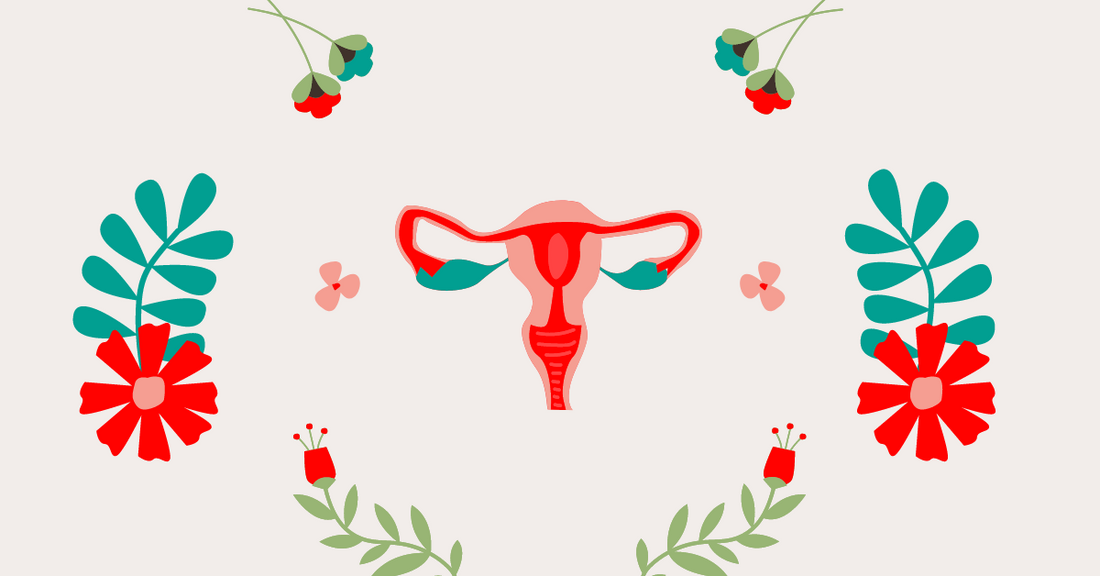
Menstruation Cups & Discs: Can You Use Them with a Retroverted Uterus?
Perhaps you've heard from a friend about FemiEko's reusable intimate products, like menstrual pads, or read glowing reviews online about the comfort of using a menstrual cup over tampons and pads. Now you're curious to try them yourself, but there’s a dilemma: you have a retroverted uterus and aren’t sure if these blood-collecting devices are right for you. We’ll walk you through everything you need to know about a retroverted uterus, what it means, what causes it, and what symptoms to look out for. We'll also discuss how it might affect your sex life and, most importantly, how to position a menstrual cup or disc correctly, so you can feel comfortable and secure during your period. What Is a Retroverted Uterus? A retroverted uterus is sometimes called a "tilted" or "backward" uterus and is positioned differently from the usual forward tilt. Normally, the uterus leans forward towards the abdomen, starting from the cervix—the opening between the vagina and the uterus. With a retroverted uterus, this position is reversed, with the uterus tilted backward. Can You Use a Menstrual Cup or Disc with a Retroverted Uterus? Yes, you can! To make the most of the comfort our products offer, we have a few recommendations to help you find the best placement. Research shows that about 20% of women have a retroverted uterus. If you fall into this category, it might take a few tries to position a menstrual cup correctly. With a bit of practice and testing different angles during your period, you'll discover what works best for your body. Ideally, the menstrual cup should sit just below the cervix without causing discomfort. However, if your uterus is tilted backward, you might need to position the cup slightly lower. We recommend choosing size A, suitable for women with a low to medium cervix. Once inserted, check to see if the cup has created a secure seal against the vaginal walls and if there are any leaks. If you need personalized advice, consult your gynecologist for guidance on uterus positioning. Ultimately, time and personal experience will help you find the right fit. Menstrual Discs: A Suitable Option for Retroverted Uteruses The Femi.Eko®️ menstrual disc is designed to fit all types of cervixes. It is placed much higher than a menstrual cup, behind the pubic bone, and spans the width of the vaginal canal to collect menstrual blood. This unique placement means it works well for women with a retroverted uterus. It might take a bit of adjustment initially, but you can experiment with different movements until you find the most comfortable position. You may need to push the disc further or fold it differently. If necessary, ask your healthcare provider for advice on optimal placement to ensure full coverage and avoid leaks. Causes of a Retroverted Uterus There are various causes for a retroverted uterus, with some of the most common including: Genetics: Some women are simply born with a retroverted uterus. Tumors: Pressure from a tumor near the uterus can change its position. Pelvic Surgery: Surgical procedures in the pelvic area can cause adhesions, which may pull the uterus backward. Fibroids: Uterine fibroids can alter the shape and position of the uterus. Pregnancy and Childbirth: Childbirth can sometimes cause the uterus to tilt. Menopause: Reduced estrogen levels weaken the pelvic muscles, causing the uterus to change position as ligaments lose strength. Symptoms of a Retroverted Uterus Many women may not be aware they have a retroverted uterus, as it often presents no symptoms. However, some signs to look out for include: Discomfort during intercourse: Certain sexual positions may cause discomfort or pain. Menstrual Pain: Painful periods could be related to the position of the uterus. Bladder Pressure: This may result in frequent urination. Mild Incontinence Urinary Tract Infections Difficulty Inserting a Menstrual Cup or Tampon Diagnosing a Retroverted Uterus A routine pelvic exam can reveal the position of your uterus. It’s often identified during a Pap smear or other routine checkups. Once diagnosed with a retroverted uterus, your gynecologist might suggest additional tests to determine the exact cause. However, it generally doesn’t lead to health complications. Consulting with your specialist and asking the necessary questions is always the best way to ensure peace of mind. Key Takeaways for Menstrual Cup and Disc Users with a Retroverted Uterus Positioning the Cup: For a retroverted uterus, placing the menstrual cup slightly lower may be more comfortable. The Disc Advantage: The Femi.Eko®️ menstrual disc is designed for all cervix types and offers a great alternative as it sits higher in the vaginal canal. Personalization: Your experience and comfort are personal, and with time, you'll discover the best position for your body. Consult a Professional: When in doubt, seek advice from your gynecologist to ensure the right fit and avoid any discomfort or leaks.
Learn more
Menstrual cup vs. menstrual disk: What's Best for You? | Femi.Eko®️ Guide
Menstrual discs and menstrual cups are among the most innovative products in intimate hygiene. Created by women for women, these products offer a comfortable, safe, and economical alternative for managing periods, and they have already achieved significant success. If you haven't tried one of FemiEko’s products—like reusable pads or menstrual cups—but have heard that they reduce the need for frequent pad or tampon changes, then this article will provide you with all the information you need to make the best choice for you and your body. Everything You Need to Know About Menstrual Cups and Discs In this article, you'll learn about: What a menstrual cup is What a menstrual disc is What materials they are made of How to insert and remove them How long you can use them Whether they are reusable How to clean and store them properly Whether there are any risks associated with their use We’ll also debunk some of the most common myths about using menstrual cups and discs. What Is a Menstrual Cup? The FemiEko menstrual cup is an intimate product made from 100% medical-grade silicone. It is designed for use during menstruation as a healthy, cost-effective, and eco-friendly alternative to traditional period products. The cup is inserted into the vagina and provides leak-proof protection by collecting menstrual blood, unlike tampons that absorb it. A protective rim around the cup creates a seal against the vaginal walls, ensuring optimal safety and protection. You can wear it for up to 8-10 hours, depending on your flow, and it comes in two sizes to match your cervix height (low/medium or high). What Is a Menstrual Disc? The FemiEko menstrual disc is another intimate product made from 100% medical-grade silicone. It is designed to meet the needs of all women and is compatible with different cervix heights. Unlike the menstrual cup, the disc has a universal size and is suitable for any flow, regardless of the position of the cervix, age, or whether you've given birth. The menstrual disc is worn inside the vagina and naturally collects menstrual blood without causing bacteria buildup, irritation, or unpleasant odors. It is positioned behind the pubic bone and sits across the vaginal opening, unlike the menstrual cup, which sits under the cervix. Since the disc does not create a vacuum, it is safe to use for women with an IUD (intrauterine device). And yes, as mentioned in other FemiEko articles, the disc can be worn during sex – something that’s not possible with the menstrual cup. Menstrual Cup vs. Menstrual Disc: Materials Both products are made from 100% medical-grade silicone of German quality, ensuring biocompatibility and bacteria resistance. These materials are completely safe for vaginal use and won’t cause infections or dryness, as long as you follow proper hygiene practices. Both the cup and disc have certifications like ISO, CE, FDA, and MSDS, guaranteeing their quality and safety. Menstrual Cup vs. Menstrual Disc: Insertion and Removal Though both products are inserted into the vagina, the method of insertion and removal differs slightly. Here’s how to use each correctly: Menstrual Cup: Insert the cup into the vagina, placing it just below the cervix. Wash your hands thoroughly before use and ensure the cup is sterilized. Fold the cup into a "C" shape, insert it, and twist to open it fully, creating a vacuum seal. The cup will adhere to the vaginal walls, preventing leaks. To remove, wash your hands again, slide a finger alongside the cup to break the seal, and gently pull it out. Empty the contents and rinse with water. Menstrual Disc: The disc is placed behind the pubic bone and sits across the vaginal opening, rather than under the cervix like the cup. Wash your hands before insertion and ensure it is sterilized. Fold the disc lengthwise and insert it with the rounded side facing outward. Push it gently upward toward your navel, ensuring the disc sits securely under the pubic bone. To remove, hook your finger onto the disc's special removal tab and gently pull it out. Empty and clean the disc. Safety Precautions: Risks of Using Menstrual Cups and Discs When used properly and with correct hygiene, there are no risks associated with FemiEko products. However, the menstrual cup should not be used if you have burns, irritation, or inflammation in the genital area, or if you experience pain during urination. Always follow the provided instructions and sterilize both the cup and disc before and after each use. How Long Can Menstrual Products Be Used? For optimal hygiene, we recommend not wearing the menstrual cup for more than 10 hours without emptying it. For heavier flows, you should empty it more frequently to avoid leaks. The menstrual disc can be worn for up to 12 hours. Tip: When using a FemiEko product for the first time, monitor your menstrual flow to determine the best intervals for emptying the cup or disc. Managing Heavy Flow: Cup or Disc? Both menstrual cups and discs are designed for any flow level, from light to heavy. The disc is a one-size-fits-all product, while the cup comes in different sizes based on cervix height. To ensure the best fit and leak protection, it’s important to know your body’s anatomy. Myths About Menstrual Cups and Discs Myth: "The cup cannot be used by virgins." – FALSE! FemiEko has developed a TEEN category specifically designed for teenage girls, making it suitable even for virgins. Myth: "You can't have sex during your period." – FALSE! The menstrual disc can be worn during sex, but it does not protect against pregnancy. Are Menstrual Cups and Discs Reusable? Yes, both products are reusable, which is one of their main benefits. You buy them once and can use them for several years. Simply rinse them with water when emptying them during your period, and sterilize them before and after each cycle. You can either use a special sterilizer from the FemiEko accessory range or boil them in water for 10 minutes. Make the Best Choice for You Now that you know the key differences between the menstrual cup and disc – two revolutionary products for intimate hygiene – it's time to choose the option that best fits your needs. Or you can try both, along with a sterilizer. When you order at least three products, you can choose the “Naked Box” packaging, an eco-friendly and reusable box. Plus, with the “Naked Box,” you receive 20% off future purchases. Whatever solution you choose, you’ll save money and experience comfort during your period.
Learn more
Menstrual disc vs. menstrual cup: Differences and benefits of reusable menstrual products| Femi.Eko®️
Reusable menstrual products have gained popularity among women worldwide because they provide freedom of movement and protection, even during menstruation. First came the menstrual cup—a healthy and comfortable alternative to traditional period products. Many women who have used it call it a “must-have.” That’s why FemiEko specialists created the menstrual disc, an innovative, reusable intimate care product designed to offer even more comfort during menstruation. Women who tested the disc named it “the perfect product.” The menstrual cup and the menstrual disc differ significantly in both shape and function. However, they share a common principle: You can forget about single-use products and the monthly expense. Enjoy full freedom of movement—whether it’s sports, swimming, yoga, fitness at the gym, or running outdoors. Get to know two of FemiEko’s popular products. Below, you’ll find everything you need to know about what they are, how they work, and the main differences between a menstrual disc and a menstrual cup. What Is a Menstrual Disc? Benefits and How It Works The menstrual disc is the latest reusable product designed to provide women with all the comfort they need during their period. It is made from biocompatible silicone that doesn’t cause irritation, allergies, or unpleasant odors. The disc effectively collects menstrual blood and can be used for up to 8-12 hours. It works with a simple system: The disc is easy to fold, with a long tail and a ring that make it easy to insert and remove. A key difference from the menstrual cup is that the disc is placed at an angle within the vaginal canal, which means it collects menstrual blood higher up. Unlike the cup, which is inserted straight up, the disc sits diagonally across the vaginal opening. It acts like a ring that rests on the pubic bone and doesn’t take up space in the vaginal canal. This is why FemiEko specialists recommend the disc, which can even be worn during sexual intercourse—something you can't do with a tampon or menstrual cup. When using the FemiEko menstrual disc, it's crucial to sterilize it both at the beginning and end of your period. Simply boil it in water for 10-20 minutes, or use a specialized sterilizer from the FemiEko accessory range. During your period, you can also clean the disc with an intimate gel. What Is a Menstrual Cup? How to Choose and Use It A menstrual cup is another reusable product made of medical-grade silicone, inserted into the vagina to collect menstrual blood. Unlike the disc, the cup comes in two sizes, allowing you to choose the one that suits your cervix length best. It’s essential to pick the right size to prevent leaks. Here are FemiEko’s recommendations: Size A: For women under 30 with light to heavy menstrual flow, a low cervix, and no previous births. Size B: For women over 30 who have given birth, have a heavy menstrual flow, and a high cervix. The menstrual cup is easy to use: Insert it into the vagina, and it will provide up to 100% comfort and protection. For lighter flows, you can keep the cup in for 8-10 hours, while for heavier flows, it needs to be emptied every 3-4 hours. The product features a long tail that can be trimmed for a more comfortable fit. Use it while on vacation, during sports activities, or in your daily routine. Differences Between the Menstrual Disc and the Menstrual Cup Position in the Vagina: The disc collects menstrual blood higher up since it is positioned diagonally across the vaginal opening, not occupying space in the vaginal canal. The cup, however, is inserted straight up (similar to a tampon) to create the necessary seal for collection. Sexual Activity: You can have intercourse while wearing the menstrual disc, but not with the menstrual cup. Shape and Design: The disc is similar to a membrane, whereas the cup has a conical shape. Function and Use: The menstrual disc has a thicker rim and doesn't create suction but stays securely in place to collect blood effectively and comfortably. Choosing the Right Menstrual Product When deciding on a menstrual or intimate care product, it’s important to understand your needs, as well as how each product works, along with their benefits and drawbacks. With the right information about FemiEko’s products—the menstrual cup and the disc—you can choose the one that best fits your lifestyle and comfort.
Learn more