News

How to Insert a Menstrual Disc: Complete 2026 Guide
Pushing a menstrual disc upward like a tampon is the single quickest way to cause leaks and painful resistance. If you feel nervous about indføring af menstruationsdisk, or worry that it might get lost or stuck, your hes…
Learn more
How Does a Menstrual Disc Work? Complete Anatomy & Insertion Guide (2026)
The secret to reliable, leak-free period protection isn't tighter suction; it's skipping the suction entirely. If you've ever struggled with uncomfortable cup pressure, sudden leaks during workouts, or found yourself typ…
Learn more
Menstrual Disc Guide: Ultimate Comfort, High Capacity, and Intimate Freedom in 2026
What if the secret to completely leak-free period care isn't intense suction, but simple anatomical alignment? If you've ever dealt with painful cramping caused by cup suction against a sensitive cervix, or raced to the …
Learn more
Menstruationstrusser: hamp vs syntetisk
Hamp eller syntetisk? Det lyder som en detalje, men materialet i kernen af dine menstruationstrusser i økologisk bomuld og hamp afgør, hvor tørt, køligt og trygt det føles at have dem på hele dagen. Her får du forskellen forklaret, lag for lag, så du kan vælge ud fra det, der faktisk sidder mod huden. Kort fortalt Hamp eller syntetisk: hvad betyder mest? Syntetiske fibre kan holde på fugt og varme tæt mod huden, mens naturlige fibre som hamp og økologisk bomuld leder fugt væk og lader huden ånde. Selve absorberingen sidder i kernen, og det er derfor materialevalget, ikke snittet, der afgør komforten. Femi.Eko bruger et absorberende lag baseret på hamp og økologisk bomuld. Hvad er der egentlig i dine menstruationstrusser? En menstruationstrusse er ikke ét stof, men flere lag der arbejder sammen. Yderst sidder et blødt lag mod huden, i midten en absorberende kerne, og bagerst et lag der holder væsken inde. Det er kernen, der gør det store arbejde, og det er her materialet betyder mest. To trusser kan ligne hinanden på ydersiden og opføre sig helt forskelligt, fordi den ene har en syntetisk kerne og den anden en kerne af naturlige fibre. Mange trusser bruger syntetiske materialer, fordi de er billige at producere og nemme at forme. Det behøver ikke være dårligt, men syntetiske fibre har en tendens til at holde på varme og fugt, og det kan mærkes hen over en lang dag. Hvordan virker menstruationstrusser? Lagene forklaret Når du forstår lagene, forstår du også, hvorfor materialet i kernen er så afgørende: Lag Opgave Hvad materialet betyder Øverste lag (mod huden) Leder blod og fugt hurtigt videre, så overfladen føles tør Naturlige fibre som bomuld føles bløde og køligere mod huden Kernen (absorberende) Opsamler og holder på væsken Hamp har naturligt gode fugtegenskaber. En syntetisk kerne kan holde mere på varmen Yderste lag Holder væsken inde, så du ikke bløder igennem Skal være tæt, men gerne åndbart, så trussen ikke bliver klam Det er præcis samme princip, uanset om trussen kaldes hipster, høj talje eller g-streng. Snittet ændrer pasformen, men det er materialet i kernen, der afgør, hvordan trussen føles i brug. Hamp vs. syntetisk: sådan opfører materialerne sig Egenskab Hamp og naturlige fibre Syntetiske fibre Åndbarhed Lader huden ånde, kan føles køligere Kan holde på varme mod huden Fugt mod huden Leder fugt væk, overfladen føles tør Kan føles klam på lange dage Hudkontakt Blødt, naturligt materiale Varierer meget efter kvalitet Holdbarhed Robust, kan holde i flere år ved rigtig vask Varierer efter kvalitet Miljø Fornybar afgrøde, kan genanvendes mange gange Baseret på plast Derfor vælger Femi.Eko hamp og økologisk bomuld Vi har udviklet et absorberende lag baseret på hamp og økologisk bomuld, fordi vi hellere vil have et materiale, der ånder og føles rart mod huden, end et der bare er billigst at fremstille. Bomulden er GOTS-certificeret, og materialerne er konstrueret til at bevare form, pasform og funktion, selv når du vasker trusserne ved 60 grader. Passer du på dem, kan de holde i flere år, og så er de et reelt alternativ til en bunke engangsbind. Lugter menstruationstrusser? Materialet spiller ind Lugt opstår typisk, når fugt og varme bliver siddende mod huden. Derfor hænger åndbarhed og lugt sammen: et materiale, der leder fugt væk og lader huden ånde, kan være med til at holde tingene friske i længere tid. Skifter du trussen med jævne mellemrum og vasker den efter anvisningen, holder du dig på den sikre side. Bløder du usædvanligt kraftigt eller oplever generende lugt uden forklaring, er det altid en god idé at tale med din læge. Se Femi.Eko menstruationstrusser Høj talje Margaret Se produktet Hipster Ida Se produktet 4-i-1 Flexi Se produktet G-streng Eda Se produktet Ofte stillede spørgsmål Kan man bløde igennem menstruationstrusser? Bløder du igennem, handler det oftest om, at trussens sugeevne ikke passer til dit flow, eller at den har siddet på for længe. Vælg en model med højere kapacitet til dine kraftige dage, og skift den, når den føles mættet. En trusse, der sidder til, minimerer også risikoen for lækage. Hvor længe kan du have menstruationstrusser på? Det afhænger af dit flow og af trussens sugeevne. På lette dage kan mange bruge den en stor del af dagen, mens kraftige dage kræver hyppigere skift. Lyt til din krop og skift, når den føles fugtig eller mættet. Er menstruationstrusser bedre end bind? Det er et spørgsmål om, hvad der passer til dig. Menstruationstrusser er genanvendelige, kan holde i flere år og sparer dig for en bunke engangsbind. Nogle bruger dem alene, andre kombinerer dem med en kop eller disk på de kraftige dage. Materialet mod huden er for mange den store forskel. Klar til at mærke forskellen? Vil du prøve trusser med et absorberende lag i hamp og økologisk bomuld, finder du hele udvalget under vores menstruationstrusser. Leder du efter flere genanvendelige løsninger, kan du kigge på vores genanvendelige bind eller en menstruationsdisk, hvis du helst vil have et alternativ helt uden stof mod huden.
Learn more
Auto-dumping ved menstruationsdisk: er det en lækage?
Har du oplevet, at din menstruationsdisk i medicinsk silikone tømmer lidt af sig selv, når du sidder på toilettet? Det kaldes auto-dumping, og selvom det kan overraske første gang, er det hverken en fejl eller en lækage. Her får du forklaringen, og hvordan du styrer det. Kort fortalt Er auto-dumping en lækage? Nej. Auto-dumping er, når disken tømmer noget af sit indhold direkte i toilettet, fordi dine bækkenbundsmuskler slapper af, når du tisser eller har afføring. Kanten flytter sig et øjeblik, væsken løber ud, og disken sætter sig selv på plads igen. Det sker på toilettet, ikke i dit tøj, og for mange er det en fordel frem for et problem. Hvad er auto-dumping? Auto-dumping er et helt normalt fænomen ved menstruationsdiske. En disk sidder højt oppe i skeden, bag skambenet og lige under livmoderhalsen, hvor den opsamler blodet i stedet for at suge det op. Når du sidder på toilettet og presser en smule, slapper bækkenbunden af, og diskens forreste kant kan glide lidt. Så løber en del af indholdet ud i toilettet af sig selv. Derfor navnet: disken "dumper" indholdet automatisk. Hvorfor tømmer disken sig på toilettet? Det handler om tryk og placering. Din disk holdes på plads bag skambenet uden vakuum. Når du bruger maven, for eksempel når du har afføring eller tisser, ændrer trykket sig kortvarigt, og kanten kan slippe sit greb et øjeblik. Væsken følger tyngdekraften ud, og bagefter falder disken på plads igen. Det er præcis den mekanisme, der gør, at nogle kan tømme disken uden at tage den ud. Er auto-dumping det samme som lækage? Nej, og det er en vigtig forskel. Lækage er, når der siver blod ud, hvor du ikke vil have det, typisk fordi disken sidder forkert. Auto-dumping sker kontrolleret på toilettet og efterlader disken tom og på plads. Kort sagt: Auto-dumping Lækage Hvor På toilettet, med vilje eller af sig selv I dit tøj, uønsket Hvorfor Bækkenbunden slapper af, kanten slipper kort Disken sidder forkert eller er fuld Bagefter Disken sætter sig selv på plads igen Disken skal rettes eller tømmes Oplevelse Kan være en fordel, mindre tømning i hånden Et tegn på at noget skal justeres Sådan placerer du disken rigtigt Oplever du auto-dumping på tidspunkter, hvor du helst var fri, handler det oftest om placeringen. Vask hænder, fold disken på midten, og før den bagud og nedad, indtil den ikke kan komme længere. Sørg for, at den forreste kant sidder oppe bag skambenet. Sidder kanten for lavt, mærker du den, og risikoen for utilsigtet tømning stiger. Er du i tvivl om teknikken, så følg vores guide til, hvordan du bruger en menstruationsdisk trin for trin. Auto-dumping som en fordel For mange bliver auto-dumping hurtigt en fordel, især på kraftige dage. I stedet for at tage disken ud, tømme den i hånden og sætte den ind igen, kan du lade den tømme sig selv, når du alligevel er på toilettet, og så fortsætte dagen. Det er en af de ting, der gør, at en disk kan bæres i op til 12 timer ad gangen. Femi.Eko menstruationsdisk er lavet af blød, medicinsk silikone med antibakteriel overflade og kan bruges i op til 5 år, hvis du passer på den. En menstruationsdisk er et hygiejneprodukt, ikke prævention. Den beskytter ikke mod graviditet eller kønssygdomme. Oplever du smerter, kraftig lugt eller blødning, der bekymrer dig, er det altid en god idé at tale med din læge. Se Femi.Eko menstruationsdisk Antibakteriel Safe Universal Se produktet Universal Universal Grøn Se produktet Kraftig flow Universal Lyserød Se produktet Delikat Delikate Safe Se produktet Ofte stillede spørgsmål Hvor længe må en menstruationsdisk sidde? Femi.Eko menstruationsdisk kan bæres i op til 12 timer ad gangen. Har du kraftig blødning, skal du måske tømme den oftere. Lyt til din krop, og tøm den, når den føles fuld. Kan man tisse med en menstruationsdisk i? Ja. Disken sidder i skeden og er ikke i vejen, når du tisser. Det er netop her, auto-dumping kan ske: bækkenbunden slapper af, og disken tømmer en smule af sig selv i toilettet. Bagefter sætter den sig på plads igen. Kan man bruge en menstruationsdisk med spiral? Mange spiralbrugere kan bruge en menstruationsdisk, fordi den ikke danner vakuum som en kop. Er du i tvivl om din spiral, så tal med din læge, før du skifter produkt. Er auto-dumping tegn på, at disken sidder forkert? Ikke i sig selv. Auto-dumping på toilettet er normalt. Oplever du derimod utæthed i tøjet, sidder kanten sandsynligvis for lavt, og så skal disken placeres lidt højere bag skambenet. Klar til at prøve? Vil du selv mærke, hvordan en disk føles i hverdagen, finder du hele udvalget under vores menstruationsdisk. Foretrækker du et produkt, der sidder lavere og er nemmere at få fat i, kan du i stedet kigge på vores menstruationskop.
Learn more
Menstruationstrusser efter fødsel: et blødt alternativ til barselsbind
De første uger efter fødslen bløder du, og huden i underlivet er øm. Mange leder efter noget blødere end de tykke barselsbind, og her kan menstruationstrusser i økologisk bomuld og hamp være et rart alternativ. Her får du hvorfor, hvordan du vælger de rette, og hvad du skal være opmærksom på, mens du stadig bløder. Kort fortalt Kan man bruge menstruationstrusser efter fødsel? Ja. Menstruationstrusser er et eksternt produkt ligesom bind, og de kan bruges til barselsflåd på samme måde. Vælg en model med høj talje og god sugeevne til de kraftige første dage. Vær opmærksom på, at tamponer, menstruationskop og menstruationsdisk frarådes, så længe du bløder efter fødslen, fordi de sidder inde i skeden. Hold dig til eksterne løsninger, indtil blødningen er stoppet. Blødning efter fødsel: hvad sker der i kroppen? Blødningen efter en fødsel kaldes barselsflåd. Den kommer fra såret i livmoderen, hvor moderkagen sad, og den er helt normal. De første dage minder den om en kraftig menstruation, og derefter aftager den gradvist og bliver mørkere og mere brunlig. For de fleste varer den omkring 6 til 8 uger, men det er forskelligt fra krop til krop. Kontakt din jordemoder eller læge, hvis blødningen pludselig tiltager igen, indeholder store klumper, begynder at lugte kraftigt, eller hvis du får feber eller smerter i underlivet. Hvorfor vælge menstruationstrusser efter fødsel? Efter fødslen handler det ikke kun om at opsuge blod, men om hvordan produktet føles gennem dagen. Et tykt barselsbind kan føles varmt og stift mod en øm hud, uanset om du har født vaginalt eller ved kejsersnit. Menstruationstrusser sidder som almindeligt undertøj med et blødt, absorberende lag indeni, og de naturlige fibre i hamp og økologisk bomuld lader huden ånde. For mange er det den forskel, der gør de første uger lidt lettere. Egenskab Menstruationstrusser Barselsbind Følelse mod huden Blødt stof som undertøj Kan føles tykt og stift Åndbarhed Naturlige fibre der ånder Ofte plastlag, kan blive varmt Genanvendelig Vaskes og bruges igen Engangs Dækning Høj talje giver ekstra dækning og stabilitet Afhænger af trussen udenpå Sådan vælger du de rette trusser til efter fødslen De første dage bløder du mest, så start med en model med høj talje og høj sugeevne. Høj talje sidder blødt over maven, hvilket mange sætter pris på efter et kejsersnit, og giver ekstra dækning om natten. Efterhånden som blødningen aftager, kan du gå ned i sugeevne. Hav gerne flere par, så du kan skifte ofte, mens et andet par vaskes og tørrer. Skift trussen med jævne mellemrum, præcis som du ville skifte et bind. Se Femi.Eko menstruationstrusser til barselsblødning Høj talje Margaret Se produktet 4-i-1 størrelse Flexi Se produktet Hipster Ida Se produktet Vigtigt om kop og disk: Så længe du bløder efter fødslen, bør du undgå tamponer, menstruationskop og menstruationsdisk. De sidder inde i skeden, og mens livmoderen heler, kan det øge risikoen for infektion. Hold dig til eksterne løsninger som trusser og bind, indtil blødningen er helt stoppet, og spørg din jordemoder, hvis du er i tvivl. Ofte stillede spørgsmål Kan man bruge menstruationstrusser i stedet for barselsbind? Ja. De virker som et blødt, genanvendeligt alternativ til barselsbind og opsamler blodet udefra. Mange kombinerer dem med et bind på de allerkraftigste dage og går over til trusser alene, når blødningen aftager. Hvor længe bløder man efter fødsel? Barselsflåd varer typisk omkring 6 til 8 uger og aftager gradvist. Det er forskelligt fra person til person. Tal med din jordemoder eller læge, hvis blødningen tiltager igen, lugter kraftigt, eller hvis du får feber. Hvornår må man bruge menstruationskop eller disk igen efter fødsel? Vent, til blødningen er helt stoppet, og underlivet er helet. Mange venter, til de har været til efterkontrol. Er du i tvivl om din krop, så spørg din jordemoder eller læge, før du skifter til et internt produkt. Kan man vaske menstruationstrusser efter brug? Ja. Skyl dem i koldt vand efter brug, og vask dem derefter i maskinen. Med den rette vask kan de holde i flere år, og så er de et blødt alternativ, du også kan bruge til din menstruation senere. Klar til at gøre de første uger lidt lettere? Vil du prøve et blødere alternativ til barselsbind, finder du hele udvalget under vores menstruationstrusser. Foretrækker du bind, kan du i stedet kigge på vores genanvendelige bind, der også er et eksternt valg, mens du stadig bløder.
Learn more
Menstruationsdisk med spiral: er det sikkert?
Har du spiral og vil gerne skifte til en genanvendelig løsning under menstruationen? Så har du sikkert hørt, at man skal være forsigtig med menstruationskop og spiral. Her handler det om menstruationsdisk i medicinsk silikone, og om hvorfor mange med spiral netop kan bruge en disk. Du får den vigtigste forskel på disk og kop, hvad du skal være opmærksom på, og hvorfor du altid bør vende det med din egen læge. Kort fortalt Kan man bruge menstruationsdisk med spiral? Ja, mange kan. En menstruationsdisk sidder oppe bag kønsbenet og danner ikke det samme vakuum som en menstruationskop. Derfor er risikoen for at trække i spiralens snore mindre, og mange med både hormonspiral og kobberspiral kan bruge en disk. Det er dog stadig din krop og din spiral, det handler om. Kontrollér snorens placering, og spørg din egen læge eller gynækolog, før du går i gang. En disk er ikke prævention. Hvorfor kan mange bruge menstruationsdisk med spiral? Forskellen ligger i, hvordan produktet holder sig på plads. En menstruationskop suger sig fast med et lille vakuum nede i skeden. Når du tager koppen ud, skal du bryde det vakuum, og hvis du kommer til at trække i spiralens snore, kan spiralen i sjældne tilfælde rykke sig. Det er derfor sundhedsmyndighederne beder dig være forsigtig med kop og spiral. En menstruationsdisk fungerer anderledes. Den foldes sammen, føres bagud og opad og placeres bag kønsbenet, hvor den hviler i stedet for at suge sig fast. Den danner ikke det samme vakuum, og derfor oplever mange med spiral, at en disk føles som et roligere valg. Det er den forskel, der gør disken interessant, hvis du har spiral og gerne vil skifte fra bind eller tampon. Menstruationsdisk eller menstruationskop med spiral? Kort sagt: koppen danner vakuum, disken gør ikke. Det er hele pointen, når du har spiral. Herunder kan du se forskellen. Egenskab Menstruationsdisk Menstruationskop Vakuum Danner ikke samme vakuum Suger sig fast med vakuum Placering Bag kønsbenet, oppe ved livmoderhalsen Længere nede i skeden Med spiral Mange kan bruge den Kræver ekstra forsigtighed Beskyttelse Op til 12 timer Op til 12 timer Levetid Op til 5 år med rette pleje Holder i flere år Vil du læse mere om selve valget mellem de to, kan du sammenligne hele udvalget under menstruationsdisk og menstruationskop. Sådan bruger du en menstruationsdisk med spiral Fremgangsmåden er den samme som uden spiral, men vær ekstra opmærksom, når du tager disken ud. Fold disken, før den bagud og opad, og lad den falde på plads bag kønsbenet. Ved fjernelse fører du en finger op, haker fat i diskens kant og trækker den lige ud. Undgå at få fat i spiralens snore undervejs. Mange læger anbefaler, at du venter et par cyklusser efter oplægning af spiralen, før du begynder med disk eller kop, så alt har sat sig. Er du det mindste i tvivl, så tag en snak med din egen læge eller gynækolog om netop din spiral. Vigtigt: Vi kan ikke garantere, at en disk aldrig påvirker en spiral. Kroppe og spiraler er forskellige. Kontrollér altid, at du kan mærke spiralens snore som sædvanligt, og kontakt din læge, hvis du får smerter, uventet blødning, eller hvis snorene føles anderledes. En menstruationsdisk beskytter mod udslip af blod, ikke mod graviditet. Se Femi.Eko menstruationsdiske til dig med spiral Antibakteriel Safe Universal Se produktet Universal Universal Grøn Se produktet Delikat størrelse Delikate Safe Se produktet Ofte stillede spørgsmål Kan man bruge menstruationsdisk med spiral? Ja, mange kan. Disken danner ikke det samme vakuum som en kop, så risikoen for at trække i spiralens snore er mindre. Det gælder både hormonspiral og kobberspiral. Kontrollér snorens placering, og spørg din egen læge eller gynækolog, hvis du er i tvivl om din spiral. Kan man bruge menstruationskop med spiral? Man kan, men sundhedsmyndighederne beder dig være ekstra forsigtig. En kop danner vakuum, og når du bryder det ved fjernelse, kan du komme til at rykke spiralen. Mange med spiral vælger derfor en disk i stedet, netop fordi den ikke suger sig fast på samme måde. Hvad er forskellen på menstruationsdisk og menstruationskop? Koppen sidder nede i skeden og holder ved hjælp af vakuum. Disken sidder højere oppe bag kønsbenet og hviler der uden samme vakuum. Formen er også forskellig: disken er fladere, koppen er dybere. Begge kan give op til 12 timers beskyttelse. Skal man vente efter man har fået spiral, før man bruger disk? Mange læger anbefaler, at du venter et par cyklusser efter oplægning, så spiralen har sat sig, før du begynder med disk eller kop. Følg det råd, du har fået ved oplægningen, og spørg din egen læge, hvis du er usikker. Klar til at prøve en disk med din spiral? Vil du finde en disk, der passer til dig, kan du se hele udvalget under vores menstruationsdisk. Foretrækker du at sammenligne med en kop først, kan du kigge på vores menstruationskop. Uanset hvad du vælger, så vend det gerne med din egen læge eller gynækolog, så du er tryg ved netop din spiral.
Learn more
How to swim during your period without a tampon: The ultimate guide
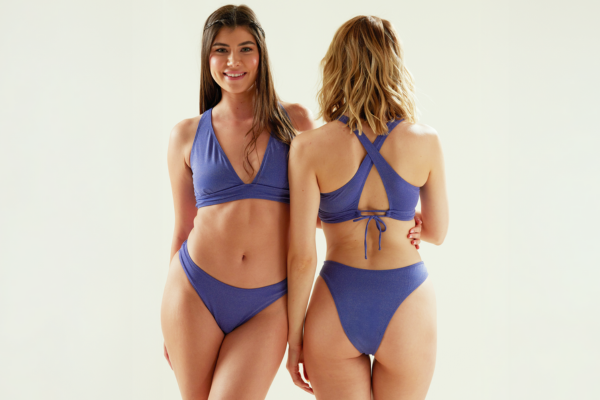
How to swim during your period without a tampon: The ultimate guide For many women and teenagers, the arrival of their period often automatically means avoiding the pool or the beach. The stress, anxiety, and discomfort of wearing a tampon or a traditional pad during water activities are real and common. If you have ever asked yourself how to swim during your period without a tampon, or if there is a modern and safe solution that allows you to enjoy the water without worries, then this guide is for you. Together, we will take a closer look at how Femi.Eko® period swimwear works, what makes it different, and how it can completely transform your experience on period days. The feeling on hot days and the fear of menstruation Imagine this: a perfect summer day, a pool party, or a vacation by the sea, and then your period arrives at precisely that time. The feeling of frustration and uneasiness can be overwhelming. You swim at school, want to have fun with friends and relax in the water, but you are afraid of leakage, discomfort, or having to use a tampon, which is not always comfortable or particularly gentle on your skin. For teenagers, this situation can become a source of stressful days, especially during sports or swimming lessons. The questions and feelings are many: “Can I go in the water without worrying?”, “What if the tampon doesn't hold?”, “Is it hygienic to be in the water with a pad?”, “How can I feel comfortable and protected?” These concerns are natural and completely understandable. Fortunately, technology has evolved, and brands like Femi.Eko® have created innovative solutions that address these very needs. Why choose to swim during your period without a tampon? First, let's look at why swimming during your period without a tampon can be a really good choice: • More comfort: A tampon can cause discomfort or a feeling of dryness in the vagina, especially if you are in the water for an extended period. • Safety: There is a risk of toxic shock syndrome (TSS) associated with tampon use, especially if worn for too long. • Freedom: You don't have to rely on changing your tampon every few hours, especially when you don't have easy access to a toilet. • Sustainability: Reusable or innovative solutions reduce waste from classic pads and tampons. • Hygiene: Period swimwear is specially developed to ensure a fresh and clean feeling, even in water. How does Femi.Eko® period swimwear work? Femi.Eko® period swimwear is a European innovation that combines advanced technology with modern design to make swimming during your period a safe, comfortable, and worry-free experience. Let's take a closer look at how it works. The absorbent inner layer The most important part of the swimwear is the inner layer, which is made of super-absorbent, OEKO-TEX certified materials that can hold significant amounts of menstrual fluid. This technology allows for quick absorption of menstrual blood, eliminating the risk of leakage or visible stains on the outside. The materials used are soft against the skin, breathable, and do not create an unpleasant feeling of dampness against the skin. Furthermore, they are antimicrobially treated to counteract the development of bacteria and unwanted odors, ensuring optimal hygiene throughout the day. Water-repellent outer layer (DWR) To prevent water from the pool or sea from penetrating the absorbent layer, the swimwear is equipped with a water-repellent outer layer with DWR treatment (Durable Water Repellent). This layer repels water, so menstrual blood is absorbed, while water from the pool or sea does not penetrate. This means you won't experience a wet or heavy feeling caused by absorbed water, and the swimwear won't swell or become uncomfortable, as some women fear. The outer layer also protects the absorbent material and extends the lifespan of the swimwear. Ergonomic design and premium quality materials The design of the swimwear is developed with a focus not only on function but also on comfort and style. The modern fit conforms to the body, providing freedom of movement and support where needed. The premium quality materials feel comfortable against the skin, and maintenance is easy, as it can be machine washed without risking damage to the materials. Myths and common concerns about period swimwear 1. “The swimwear will swell up like a diaper in the water” This is one of the most common concerns. It is important to know that the absorbent layer only retains menstrual blood, not water from the pool or sea. Thanks to the water-repellent outer layer, water does not penetrate, and therefore the swimwear will not swell or become uncomfortable in the water. 2. “Is it hygienic to be in the water with menstrual blood?” Yes. Femi.Eko® swimwear is specifically designed to manage menstrual fluid in a hygienic way. The antimicrobial and absorbent materials keep the area dry and protected and help prevent bacterial growth. Additionally, menstrual blood immediately dilutes in water and does not create hygienic problems. 3. “Can I only use the swimwear on light flow days?” Not necessarily. Femi.Eko® period swimwear can also be used on days with moderate or even heavy menstruation, depending on the chosen model and how often you wish to change or rinse the swimwear. Period swimwear for teenagers: a big change For teenagers, period swimwear is a real game changer. Many young people avoid swimming lessons on period days due to embarrassment or fear of leakage. With Femi.Eko®, they can participate in swimming lessons without stress and without having to use tampons or pads, which can be uncomfortable or even prohibited in some schools. The swimwear provides complete security and comfort, allowing them to focus on what really matters: having fun and learning. Benefits of using Femi.Eko® period swimwear • Comfort and freedom: Without the feeling of dryness or irritation, you can swim and move freely. • Secure protection: The effective absorption prevents leakage and keeps the skin dry. • Guaranteed hygiene: The antimicrobial materials and special treatment keep the environment clean. • Sustainability: The product is reusable and reduces waste from disposable pads. • Full discretion: The modern design and thoughtful fit leave no marks and do not feel like a traditional menstrual product. • Durability: European quality materials ensure long-lasting use. Frequently asked questions (FAQ) Can I go in the pool with period swimwear on heavy flow days? Yes, Femi.Eko® period swimwear is designed to handle heavy menstruation as well. Thanks to the absorbent inner layer and the water-repellent outer layer, the blood is effectively contained, while water from the pool does not penetrate the swimwear. However, for very heavy menstruation, it is recommended to bring an extra swimsuit for changing, especially if you plan to be in the water for several hours. How do I care for Femi.Eko® period swimwear? The swimwear can be easily hand washed or machine washed on a delicate cycle with a mild detergent without bleach. It is recommended to avoid direct sunlight when drying and not to use a tumble dryer to best preserve the properties of the materials. How often should the swimwear be changed during the day? This depends on the strength of your period and the model. For moderate flow, it can typically be used for several hours. For heavier menstruation, it may be necessary to change it after a few hours for maximum comfort. Is the swimwear also suitable for other sports activities? Yes, thanks to the ergonomic design and the elastic and breathable materials, the swimwear is also suitable for other sports activities, not just swimming. Swimming during your period without a tampon is no longer a dream but a real possibility thanks to the technology behind Femi.Eko® period swimwear. This revolutionary product gives you the freedom to enjoy the water without discomfort, fear of leakage, or hygiene concerns. Whether you are a teenager, a student, or an active woman, Femi.Eko® swimwear is a reliable support on those more demanding days. No longer limit your activities during your period. Explore the Swimwear collection from Femi.Eko® and choose the model that suits you best. Enjoy this summer in the pool or by the sea with confidence and comfort.
Learn more
The PFAS Problem in Period Underwear
The PFAS Problem in Period Underwear: How to Protect Your Health with Femi.Eko® We know why you chose period underwear: you wanted to avoid the plastic in traditional pads, save money, and do something good for the planet. But what happens when you find out that even “sustainable” alternatives may hide invisible risks? A recent 2025 study has raised a global alarm: many popular brands of period underwear contain PFAS, also known as “forever chemicals.” At Femi.Eko®, we believe your protection should never be a compromise between comfort and chemical safety. What are PFAS and why should you care?PFAS (per- and polyfluoroalkyl substances) are a group of over 4,000 synthetic chemicals used to make materials resistant to water and stains. While this may sound useful in menstrual products, the potential cost to your health is significant. Why are they concerning in intimate areas?The skin in the intimate area is thinner and more permeable than other parts of the body, which may allow chemicals to be absorbed more easily. PFAS exposure has been associated with: Hormonal disruption and endocrine effectsChronic irritation and inflammation of sensitive skinFertility concerns and potential immune system effects The “Cheap Waterproofing” TrapMany brands use PFAS because it is a low-cost solution for leak protection. Some also add silver chloride as an antibacterial agent. While this may sound beneficial, it can disrupt the natural vaginal microbiome and lead to irritation or imbalance. Femi.Eko® Tip: Don’t rely on “eco” claims alone. Always check whether the brand provides clear certifications and transparency about the absence of harmful chemicals. The Femi.Eko® Solution: Innovation Without Compromise At Femi.Eko®, we chose the more responsible path: investing in safer, natural materials. 1. Patent-Pending Blend: Hemp + Organic CottonAt the core of our products is an innovative absorbent layer. Why hemp?Naturally antibacterial, without the need for silver or biocidesHigher absorbency than standard cottonBreathable, helping reduce irritation and odor 2. Safe Waterproofing (PFAS-Free)To prevent leaks, we use technical protective layers (PU) applied mechanically, not chemically treated with PFAS. This ensures effective protection while maintaining product safety. 3. OEKO-TEX® Standard 100 CertificationYou don’t have to take our word for it. Our products are certified according to OEKO-TEX® Standard 100, meaning they are tested against harmful substances and meet strict safety criteria. Why Choose Femi.Eko® Today? Natural comfort: no “plastic” feeling, only skin-friendly materialsTrue sustainability: responsibly sourced materials designed for long-term useCertified safety: transparency and quality at every level The PFAS issue is real, but the solution is simple. By choosing clean, certified products, you invest in your long-term health and a better future. Switch to protection without compromise. FAQ How can I tell if my current period underwear contains PFAS?If the brand does not clearly state certifications like OEKO-TEX® or “PFAS-free,” and relies on undocumented synthetic “stay-dry” technologies, there may be a risk. Are natural materials as effective?Yes. The combination of hemp and organic cotton in Femi.Eko® products is designed to handle even heavier flows with efficient absorption.
Learn more