Endometriosis: An in-depth guide to symptoms, causes, and relief
For many women, their journey with menstruation begins with a message passed down through generations: "Pain is normal." But when menstrual pain becomes so severe that it prevents you from going to work, school, or socializing, there is nothing "normal" about it.
For approximately 10% of all women of reproductive age, the explanation is the chronic disease endometriosis. It is a complex medical condition that, unfortunately, is often not diagnosed until many years later, but which has an enormous impact on quality of life.
What exactly is endometriosis?
In short, endometriosis occurs when tissue similar to the lining of the uterus (endometrium) begins to grow outside the uterus. This tissue can attach to the ovaries, fallopian tubes, bladder, or intestines.
The problem arises because this tissue reacts to the body's hormones in precisely the same way as the lining inside the uterus: it grows and bleeds every month during your cycle. But because the blood has no natural way out of the body, it creates internal irritation, leading to chronic inflammation, cysts (often called "chocolate cysts"), and the formation of scar tissue or adhesions, where organs "stick" together.
The most common symptoms of endometriosis
Symptoms vary significantly from person to person. Some experience debilitating pain, while others discover the disease in connection with fertility problems. However, you should pay particular attention to the following signs:
-
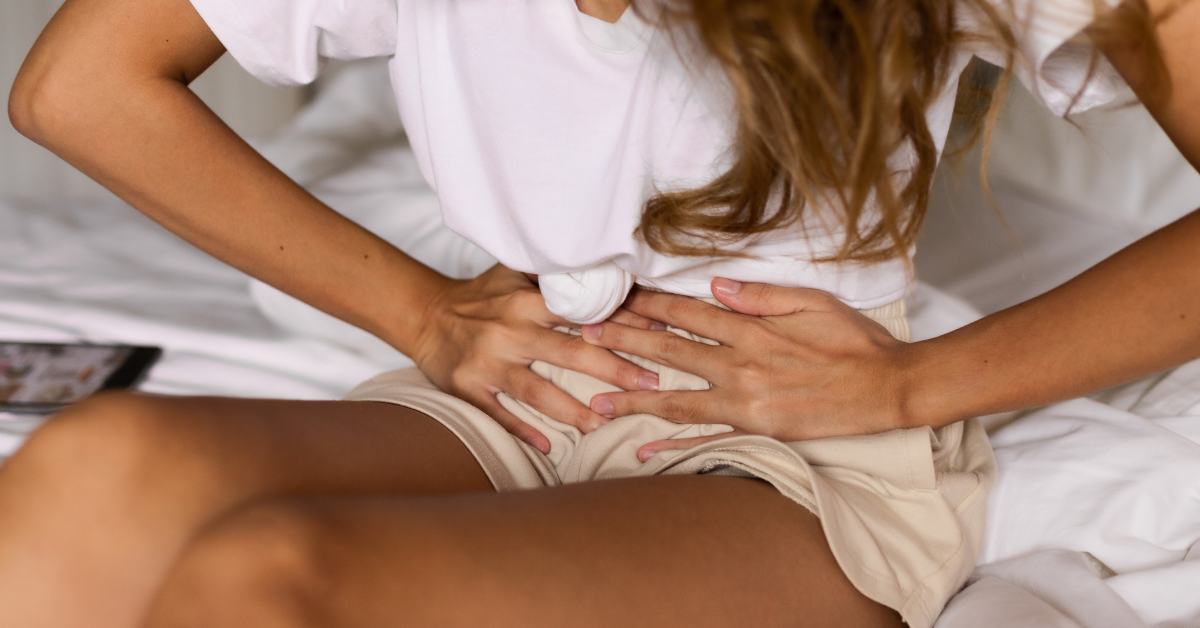
Debilitating menstrual pain: This is often the most significant signal. The pain is typically far more severe than ordinary cramps, often starts before bleeding, and can radiate down into the legs or lower back.
-
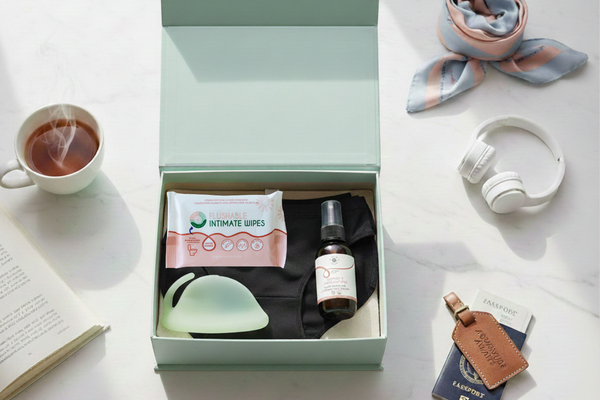
Heavy and unpredictable bleeding: Many with endometriosis struggle with very heavy periods. Here, Femi.Eko period panties with high absorbency can provide a sense of security and freedom of movement that traditional pads cannot always offer, as they hug the body without irritating the sensitive pelvic area.
-
Pain during intercourse: Deep pain during or after sexual activity is a common symptom, which is unfortunately often taboo but requires medical attention.
-
"Endo-belly" and digestion: Extreme bloating in the abdomen that makes it painful to wear tight clothing. Many also experience pain during urination or bowel movements, especially during menstruation.
-
Fertility challenges: Since inflammation and scar tissue can affect the ovaries and fallopian tubes, it is estimated that up to 50% of women with fertility problems actually suffer from endometriosis.
Why do people get it?
Although science does not yet have a definitive answer, research points to several contributing factors:
-
Retrograde menstruation: A theory that menstrual blood flows backward through the fallopian tubes and into the pelvic cavity.
-
Genetics: If your mother or sister has endometriosis, your risk of developing the disease is 7-10 times higher.
-
Immune system: A theory that the body of some women is unable to break down and remove the cells that have landed in the wrong places in the body.
Treatment and your daily life with endometriosis
Today, there is no permanent cure for the disease, but there are effective methods to control symptoms and improve your daily life:
-
Hormonal treatment: Birth control pills, progestin, or hormonal IUDs are often used to suppress hormonal stimulation of the tissue and reduce monthly bleeding and pain.
-
Surgery: During a laparoscopy, the doctor can remove endometriotic tissue and loosen adhesions. This can both reduce pain and increase the chances of pregnancy.
-
Natural pain relief: A heat pad is an essential tool to relax tense pelvic muscles and provide comfort during pain attacks.
-
Lifestyle and well-being: An anti-inflammatory diet and gentle exercise such as yoga or pelvic floor exercises can help reduce the body's inflammation level and improve your general quality of life.
Summary
Endometriosis is an invisible, but very real disease. The sooner we break the taboo and share knowledge about the symptoms, the sooner more women can get the correct diagnosis and help. At Femi.Eko, our mission is to support you throughout your cycle with solutions that prioritize your health, comfort, and body.
About the author: Narcisa Christiansen is an expert in women's health and the founder of Femi.Eko. With a deep passion for breaking taboos surrounding menstruation and hormonal imbalances, Narcisa works to give women access to both knowledge and innovative, sustainable solutions. Her mission is to improve the quality of life for women with conditions like endometriosis by creating products that combine comfort, health, and environmental considerations.