
Pregnancy Test: When, How, and How Accurate is the Result?
There are moments in life when time feels like it stands still. For many, one of these moments arises when the suspicion of pregnancy emerges – perhaps due to a missed period, tender breasts, or an intuitive feeling in the body. Today, you can get an answer in minutes with a home test, but to get a reliable result, it's crucial to understand how they work and when to take them.
How does a pregnancy test work?
A pregnancy test does not measure the baby itself, but rather the presence of the hormone hCG (human chorionic gonadotropin). This hormone only begins to be produced when a fertilized egg implants in the uterine wall, which typically occurs 6–10 days after fertilization.
Once implantation has occurred, hCG levels rise rapidly in the first few weeks. Most home tests detect the hormone in urine through a chemical reaction with special antibodies. At Femi.Eko, we work to give you full control over your cycle, and understanding your hormone levels is an essential part of knowing your body – whether you're planning a pregnancy or want to avoid one.
When is the best time to take the test?
The most frequently asked question is: "How long after intercourse can you take a pregnancy test?". Although some "early" tests promise answers ahead of time, it is recommended to wait until the day of your missed period.
Here are the reasons why timing is everything:
-
HCG concentration: In the first few days after implantation, hormone levels may be too low to be measured. By waiting until your period is missed, you minimize the risk of a false negative result.
-
Morning urine is best: In early pregnancy, your urine is most concentrated in the morning. This gives the test the best conditions to detect even small amounts of hCG.
-
After intercourse: Generally, you should wait at least 10-14 days after intercourse before testing, as it takes time for the egg to be fertilized and implant.
How accurate are the results?
Modern pregnancy tests have an accuracy of over 99% if used correctly after a missed period. Nevertheless, uncertainties can arise:
-
False negative: Most often occurs if you test too early. If your period is still missed, you should take a new test after 2-3 days.
-
False positive: Is extremely rare, but can occur with certain medical conditions or if taking medication containing hCG (often in connection with fertility treatment).
-
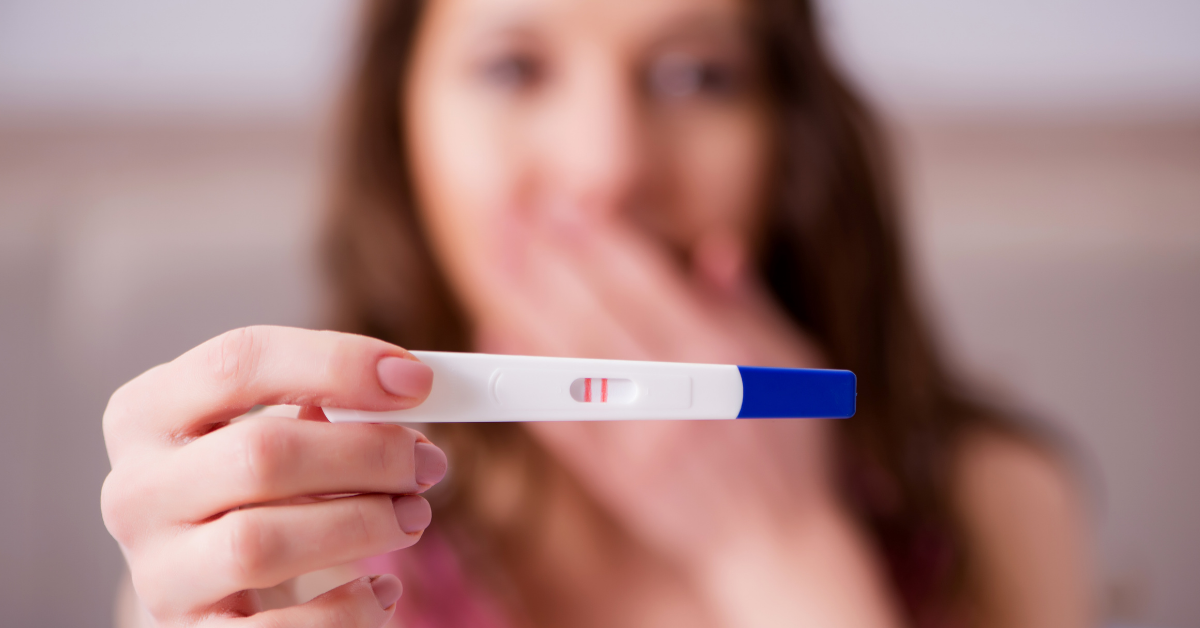
Faint line: Even a very faint line usually indicates a positive pregnancy test, as long as it appears within the test's time limit.
Next steps after the result
Regardless of whether the test is positive or negative, it can evoke many emotions.
If your pregnancy test is positive, the next step is to contact your doctor to confirm the pregnancy via a blood test or an early scan. This is also where you can begin to consider your options and future care.
If the test is negative, but you are still experiencing symptoms or a missed period, it could be due to stress, hormonal imbalances, or PCOS. At Femi.Eko, we support women at all stages of their reproductive lives. If you are planning a pregnancy, we can help you track your cycle accurately so you know exactly when your most fertile days are.
About the author: Narcisa Christiansen is an expert in women's health and the founder of Femi.Eko. With a focus on creating transparency and security around the female body, Narcisa works to educate women about their reproductive rights and health. Through Femi.Eko, she combines medical knowledge with sustainable solutions that support women from their first menstruation to menopause.