HPV: All about infection, symptoms, and prevention
In recent years, HPV (Human Papillomavirus) has become a central topic in the conversation about women's health. Although most people have heard the name in connection with the childhood vaccination program, many misconceptions still persist. Is it only women who get infected? Is it always dangerous? And what's the best way to protect oneself?
HPV is not actually one virus, but a family of over 200 different virus types. It is the most widespread sexually transmitted infection globally, and it is estimated that up to 80% of all sexually active individuals will be infected with at least one type of HPV during their lifetime.
How is HPV transmitted?
One of the biggest myths about HPV is that full intercourse is required for transmission. The virus is transmitted through direct skin-to-skin contact in the intimate area. This means that condoms offer good protection but are not 100% effective, as the virus can be present on skin areas not covered by the condom.
Most infections occur shortly after sexual debut. The most important thing to know, however, is that in 90% of cases, the body's immune system fights off the virus itself within a couple of years, without the person ever realizing they were infected.
Symptoms in women: What should you look out for?
The challenge with HPV is that the infection is often invisible. The symptoms depend entirely on the type of virus involved:
-
Low-risk types (Genital warts): These types can cause genital warts (condylomas). These are small, cauliflower-like growths that can itch or be sore. They are harmless in terms of cancer but can be both physically and psychologically bothersome.
-
High-risk types (Cell changes): These show no visible symptoms initially. This is where regular screenings (self-collection or doctor's visits) become vital. If a high-risk infection becomes chronic, it can, over many years, develop into cell changes and, in the worst case, cervical cancer.
Prevention and screening
Denmark has one of the world's best systems for managing HPV, and we have two powerful tools:
-
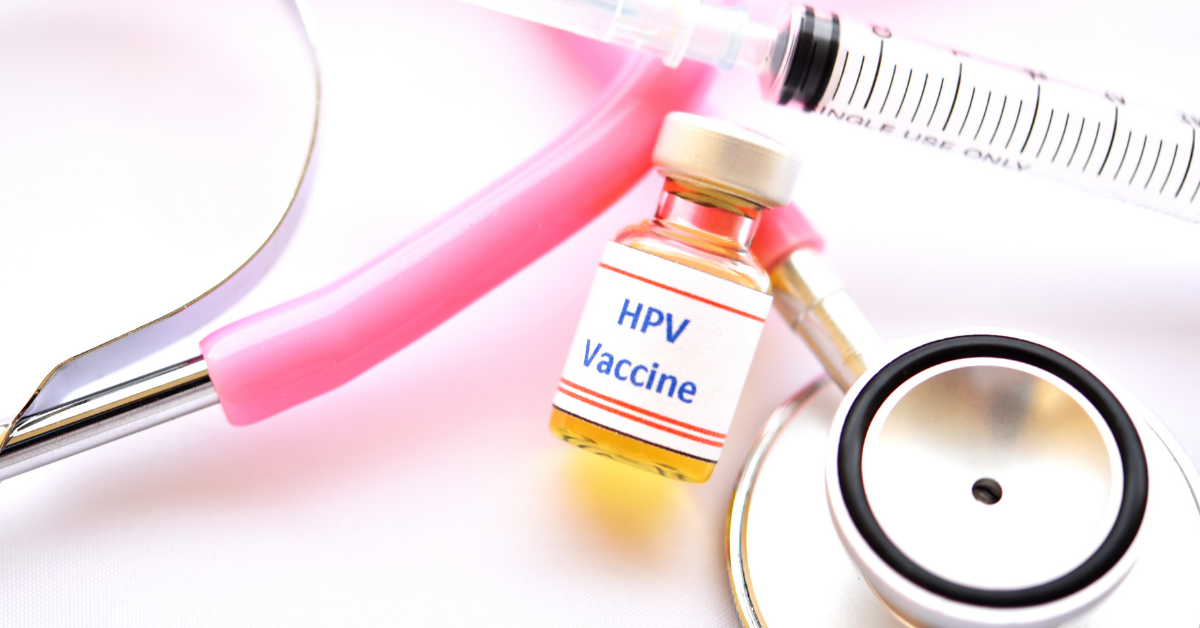
HPV vaccine: It protects against the most aggressive types of the virus (especially types 16 and 18). Although it works best before sexual debut, adult women can often still benefit from it.
-
Regular screening: Women between 23 and 65 years are continuously invited for examinations. By detecting cell changes early, they can be removed with a small procedure (conization) before they turn into cancer.
Confidence in your intimate health with Femi.Eko
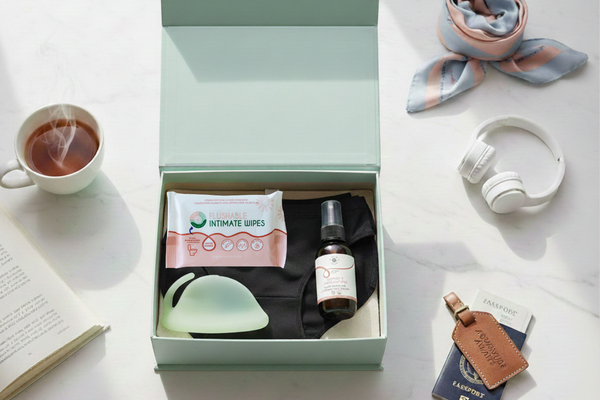
At Femi.Eko, our mission is to create confidence around your body and your cycle. We know that gynecological examinations and concerns about cell changes can cause discomfort. After a doctor's examination or with light bleeding after a procedure, our menstrual underwear can give you the necessary comfort and protection.
Our products are free from chemicals and perfume, which is essential when you want to take the best possible care of your mucous membranes – especially if your intimate area is extra sensitive after treatment or screening.
About the author: Narcisa Christiansen is an expert in women's health and the founder of Femi.Eko. With a deep passion for breaking taboos surrounding intimate health and disease prevention, Narcisa works to provide women with access to both knowledge and sustainable solutions. Her mission is to support women through all stages of life with products and information that prioritize health and bodily confidence.