The Morning-After Pill: Your Guide to Emergency Contraception and Safety
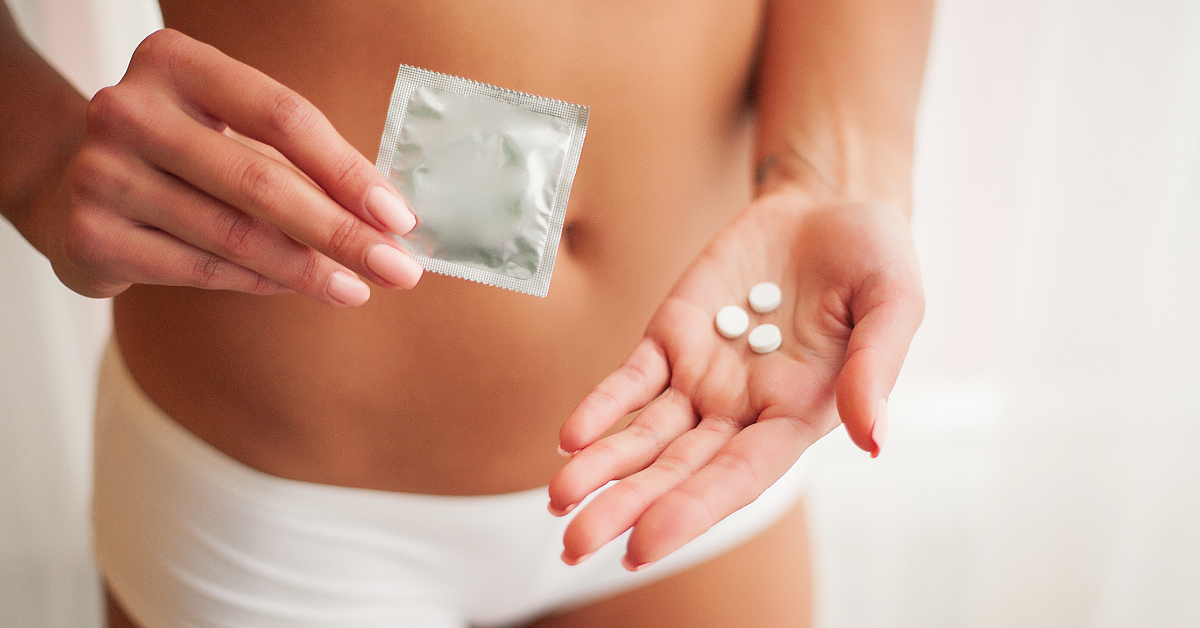
Life doesn't always go as planned. A condom might break, a birth control pill might be forgotten, or contraception might be overlooked in the moment. In such situations, the morning-after pill (emergency contraception) serves as an important safety net.
There are many myths about morning-after pills – from fears of infertility to misunderstandings that it's a form of abortion. Here you'll find the cold facts and practical guidance on how to best care for your body when an accident happens.
What is a morning-after pill and how does it work?
A morning-after pill is a hormonal treatment designed to prevent pregnancy after unprotected intercourse. It's important to understand that the pill is not an abortion pill; it cannot terminate a pregnancy that has already occurred.
How it works: The pill primarily works by delaying your ovulation. Since sperm can survive up to five days inside a woman's body, emergency contraception aims to "shift" ovulation so that the sperm die before the egg is even released. If ovulation has already occurred, the pill usually has no effect.
Morning-after pill: When should it be taken?
Time is the most crucial factor when it comes to emergency contraception. The sooner you take the pill, the higher its effectiveness. In Denmark, there are generally two types:
-
Levonorgestrel (e.g., Plan B): Should preferably be taken within 24 hours, but is effective for up to 72 hours (3 days).
-
Ulipristal acetate (e.g., ellaOne): Is more effective and can be taken up to 120 hours (5 days) after intercourse.
Even if you have 3-5 days, you should always visit a pharmacy as soon as possible. Remember that the morning-after pill is a backup solution and should not replace regular contraception, as it is less reliable than, for example, birth control pills or IUDs.
How many times can you take a morning-after pill?
There is no fixed medical limit to how many times in one's life emergency contraception can be taken, and it does not lead to infertility. However, it is not recommended to use it as a regular form of contraception for several reasons:
-
Hormonal burden: It contains a high dose of hormones, which can cause side effects such as nausea and headaches.
-
Cycle disturbances: Your next period may be delayed or irregular.
-
Cost and safety: Regular contraception is both cheaper and much safer.
Care for your body after emergency contraception
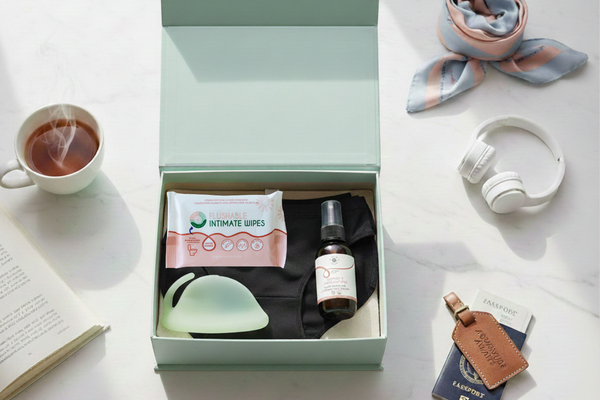
After taking a morning-after pill, your body may feel a bit different for a period. You may experience spotting or tender breasts. At Femi.Eko, we know that these unexpected bleedings can cause uncertainty. Our period underwear is ideal for the days after emergency contraception, as they provide discrete and comfortable protection against unexpected spotting while your cycle returns to its natural rhythm.
It's also important to take a pregnancy test approximately 3 weeks after taking the pill to be absolutely sure that it worked as intended.
Myths vs. Facts
-
Myth: Morning-after pills cause sterility.
-
Fact: No, fertility returns to normal immediately in the next cycle.
-
Myth: It's the same as an abortion.
-
Fact: No, the pill prevents fertilization. If the egg is implanted, the pill does no harm.
About the author: Narcisa Christiansen is an expert in women's health and the founder of Femi.Eko. Her focus is to provide women with the right tools and necessary knowledge to navigate their sexual health safely. Through Femi.Eko, Narcisa works to remove shame around contraception and cycles, so that every woman can make informed choices for her own body.