News
Menstruation Cups & Discs: Can You Use Them with a Retroverted Uterus?
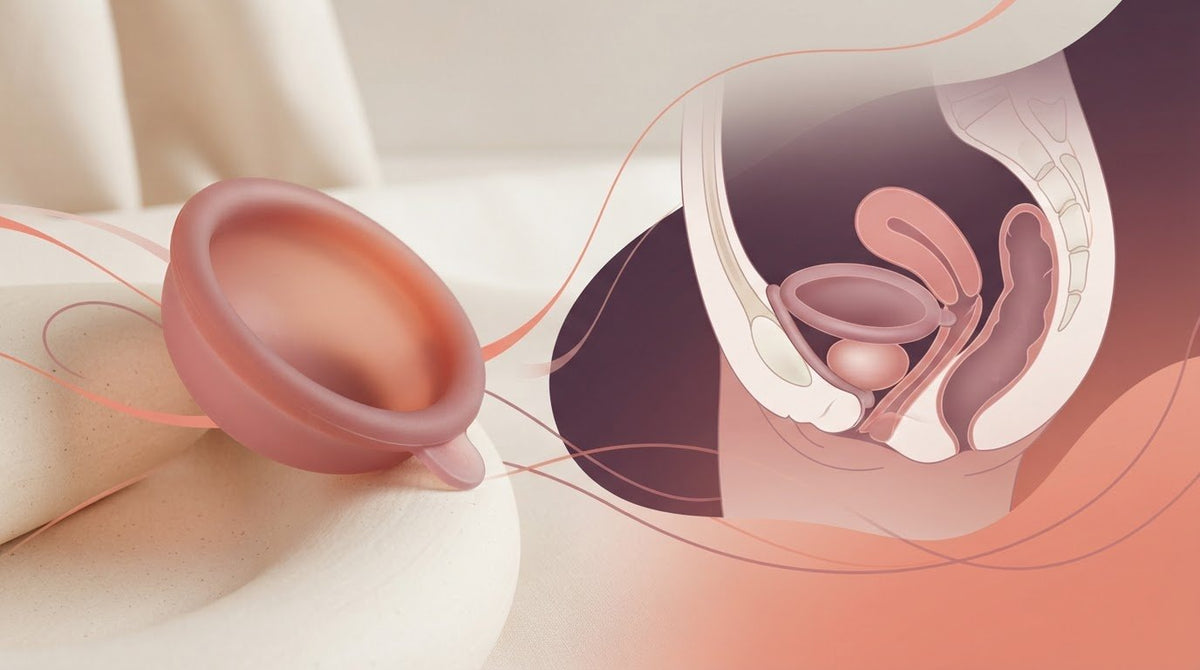
Perhaps you've heard from a friend about FemiEko's reusable intimate products, like menstrual pads, or read glowing reviews online about the comfort of using a menstrual cup over tampons and pads. Now you're curious to try them yourself, but there’s a dilemma: you have a retroverted uterus and aren’t sure if these blood-collecting devices are right for you. We’ll walk you through everything you need to know about a retroverted uterus, what it means, what causes it, and what symptoms to look out for. We'll also discuss how it might affect your sex life and, most importantly, how to position a menstrual cup or disc correctly, so you can feel comfortable and secure during your period. What Is a Retroverted Uterus? A retroverted uterus is sometimes called a "tilted" or "backward" uterus and is positioned differently from the usual forward tilt. Normally, the uterus leans forward towards the abdomen, starting from the cervix—the opening between the vagina and the uterus. With a retroverted uterus, this position is reversed, with the uterus tilted backward. Can You Use a Menstrual Cup or Disc with a Retroverted Uterus? Yes, you can! To make the most of the comfort our products offer, we have a few recommendations to help you find the best placement. Research shows that about 20% of women have a retroverted uterus. If you fall into this category, it might take a few tries to position a menstrual cup correctly. With a bit of practice and testing different angles during your period, you'll discover what works best for your body. Ideally, the menstrual cup should sit just below the cervix without causing discomfort. However, if your uterus is tilted backward, you might need to position the cup slightly lower. We recommend choosing size A, suitable for women with a low to medium cervix. Once inserted, check to see if the cup has created a secure seal against the vaginal walls and if there are any leaks. If you need personalized advice, consult your gynecologist for guidance on uterus positioning. Ultimately, time and personal experience will help you find the right fit. Menstrual Discs: A Suitable Option for Retroverted Uteruses The Femi.Eko®️ menstrual disc is designed to fit all types of cervixes. It is placed much higher than a menstrual cup, behind the pubic bone, and spans the width of the vaginal canal to collect menstrual blood. This unique placement means it works well for women with a retroverted uterus. It might take a bit of adjustment initially, but you can experiment with different movements until you find the most comfortable position. You may need to push the disc further or fold it differently. If necessary, ask your healthcare provider for advice on optimal placement to ensure full coverage and avoid leaks. Causes of a Retroverted Uterus There are various causes for a retroverted uterus, with some of the most common including: Genetics: Some women are simply born with a retroverted uterus. Tumors: Pressure from a tumor near the uterus can change its position. Pelvic Surgery: Surgical procedures in the pelvic area can cause adhesions, which may pull the uterus backward. Fibroids: Uterine fibroids can alter the shape and position of the uterus. Pregnancy and Childbirth: Childbirth can sometimes cause the uterus to tilt. Menopause: Reduced estrogen levels weaken the pelvic muscles, causing the uterus to change position as ligaments lose strength. Symptoms of a Retroverted Uterus Many women may not be aware they have a retroverted uterus, as it often presents no symptoms. However, some signs to look out for include: Discomfort during intercourse: Certain sexual positions may cause discomfort or pain. Menstrual Pain: Painful periods could be related to the position of the uterus. Bladder Pressure: This may result in frequent urination. Mild Incontinence Urinary Tract Infections Difficulty Inserting a Menstrual Cup or Tampon Diagnosing a Retroverted Uterus A routine pelvic exam can reveal the position of your uterus. It’s often identified during a Pap smear or other routine checkups. Once diagnosed with a retroverted uterus, your gynecologist might suggest additional tests to determine the exact cause. However, it generally doesn’t lead to health complications. Consulting with your specialist and asking the necessary questions is always the best way to ensure peace of mind. Key Takeaways for Menstrual Cup and Disc Users with a Retroverted Uterus Positioning the Cup: For a retroverted uterus, placing the menstrual cup slightly lower may be more comfortable. The Disc Advantage: The Femi.Eko®️ menstrual disc is designed for all cervix types and offers a great alternative as it sits higher in the vaginal canal. Personalization: Your experience and comfort are personal, and with time, you'll discover the best position for your body. Consult a Professional: When in doubt, seek advice from your gynecologist to ensure the right fit and avoid any discomfort or leaks.
Learn more
Menstrual disc vs. menstrual cup: Differences and benefits of reusable menstrual products| Femi.Eko®️
Reusable menstrual products have gained popularity among women worldwide because they provide freedom of movement and protection, even during menstruation. First came the menstrual cup—a healthy and comfortable alternative to traditional period products. Many women who have used it call it a “must-have.” That’s why FemiEko specialists created the menstrual disc, an innovative, reusable intimate care product designed to offer even more comfort during menstruation. Women who tested the disc named it “the perfect product.” The menstrual cup and the menstrual disc differ significantly in both shape and function. However, they share a common principle: You can forget about single-use products and the monthly expense. Enjoy full freedom of movement—whether it’s sports, swimming, yoga, fitness at the gym, or running outdoors. Get to know two of FemiEko’s popular products. Below, you’ll find everything you need to know about what they are, how they work, and the main differences between a menstrual disc and a menstrual cup. What Is a Menstrual Disc? Benefits and How It Works The menstrual disc is the latest reusable product designed to provide women with all the comfort they need during their period. It is made from biocompatible silicone that doesn’t cause irritation, allergies, or unpleasant odors. The disc effectively collects menstrual blood and can be used for up to 8-12 hours. It works with a simple system: The disc is easy to fold, with a long tail and a ring that make it easy to insert and remove. A key difference from the menstrual cup is that the disc is placed at an angle within the vaginal canal, which means it collects menstrual blood higher up. Unlike the cup, which is inserted straight up, the disc sits diagonally across the vaginal opening. It acts like a ring that rests on the pubic bone and doesn’t take up space in the vaginal canal. This is why FemiEko specialists recommend the disc, which can even be worn during sexual intercourse—something you can't do with a tampon or menstrual cup. When using the FemiEko menstrual disc, it's crucial to sterilize it both at the beginning and end of your period. Simply boil it in water for 10-20 minutes, or use a specialized sterilizer from the FemiEko accessory range. During your period, you can also clean the disc with an intimate gel. What Is a Menstrual Cup? How to Choose and Use It A menstrual cup is another reusable product made of medical-grade silicone, inserted into the vagina to collect menstrual blood. Unlike the disc, the cup comes in two sizes, allowing you to choose the one that suits your cervix length best. It’s essential to pick the right size to prevent leaks. Here are FemiEko’s recommendations: Size A: For women under 30 with light to heavy menstrual flow, a low cervix, and no previous births. Size B: For women over 30 who have given birth, have a heavy menstrual flow, and a high cervix. The menstrual cup is easy to use: Insert it into the vagina, and it will provide up to 100% comfort and protection. For lighter flows, you can keep the cup in for 8-10 hours, while for heavier flows, it needs to be emptied every 3-4 hours. The product features a long tail that can be trimmed for a more comfortable fit. Use it while on vacation, during sports activities, or in your daily routine. Differences Between the Menstrual Disc and the Menstrual Cup Position in the Vagina: The disc collects menstrual blood higher up since it is positioned diagonally across the vaginal opening, not occupying space in the vaginal canal. The cup, however, is inserted straight up (similar to a tampon) to create the necessary seal for collection. Sexual Activity: You can have intercourse while wearing the menstrual disc, but not with the menstrual cup. Shape and Design: The disc is similar to a membrane, whereas the cup has a conical shape. Function and Use: The menstrual disc has a thicker rim and doesn't create suction but stays securely in place to collect blood effectively and comfortably. Choosing the Right Menstrual Product When deciding on a menstrual or intimate care product, it’s important to understand your needs, as well as how each product works, along with their benefits and drawbacks. With the right information about FemiEko’s products—the menstrual cup and the disc—you can choose the one that best fits your lifestyle and comfort.
Learn more